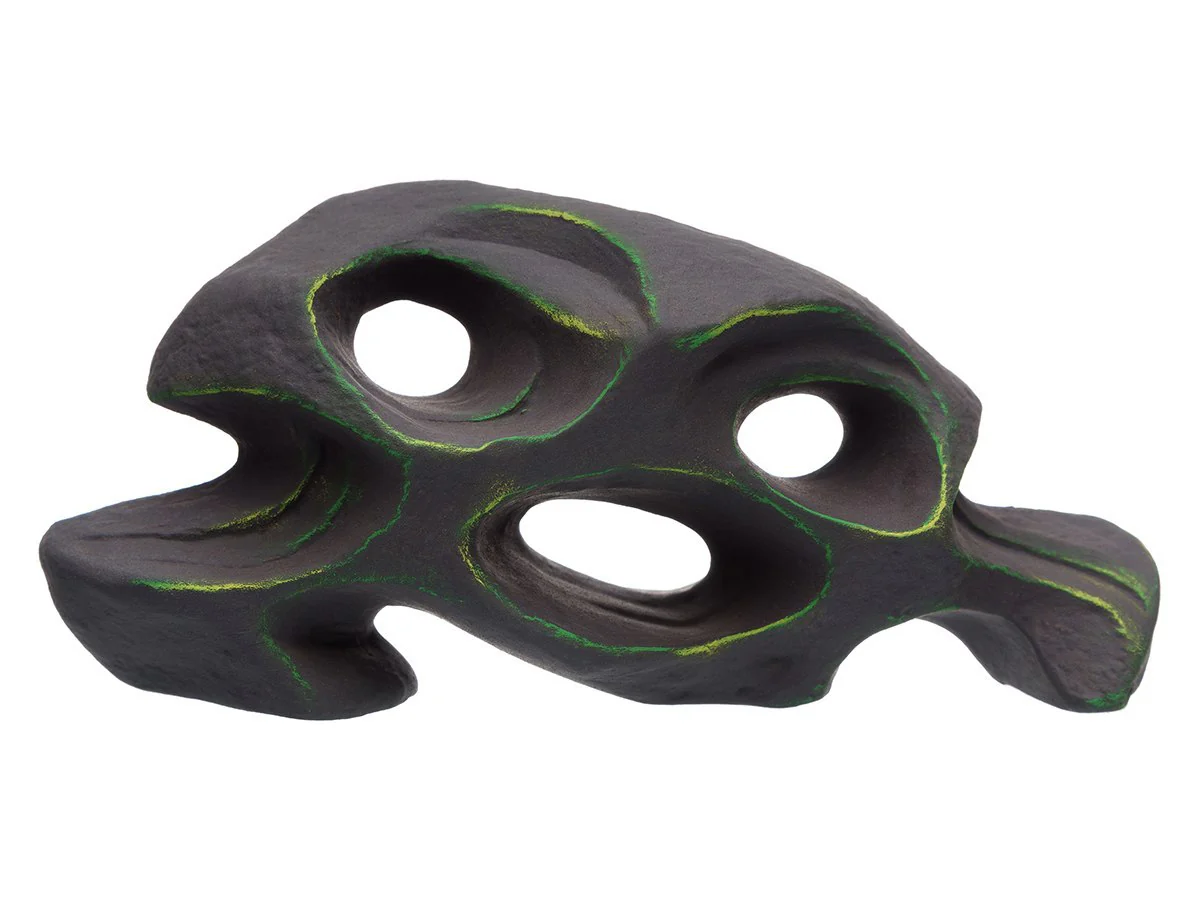
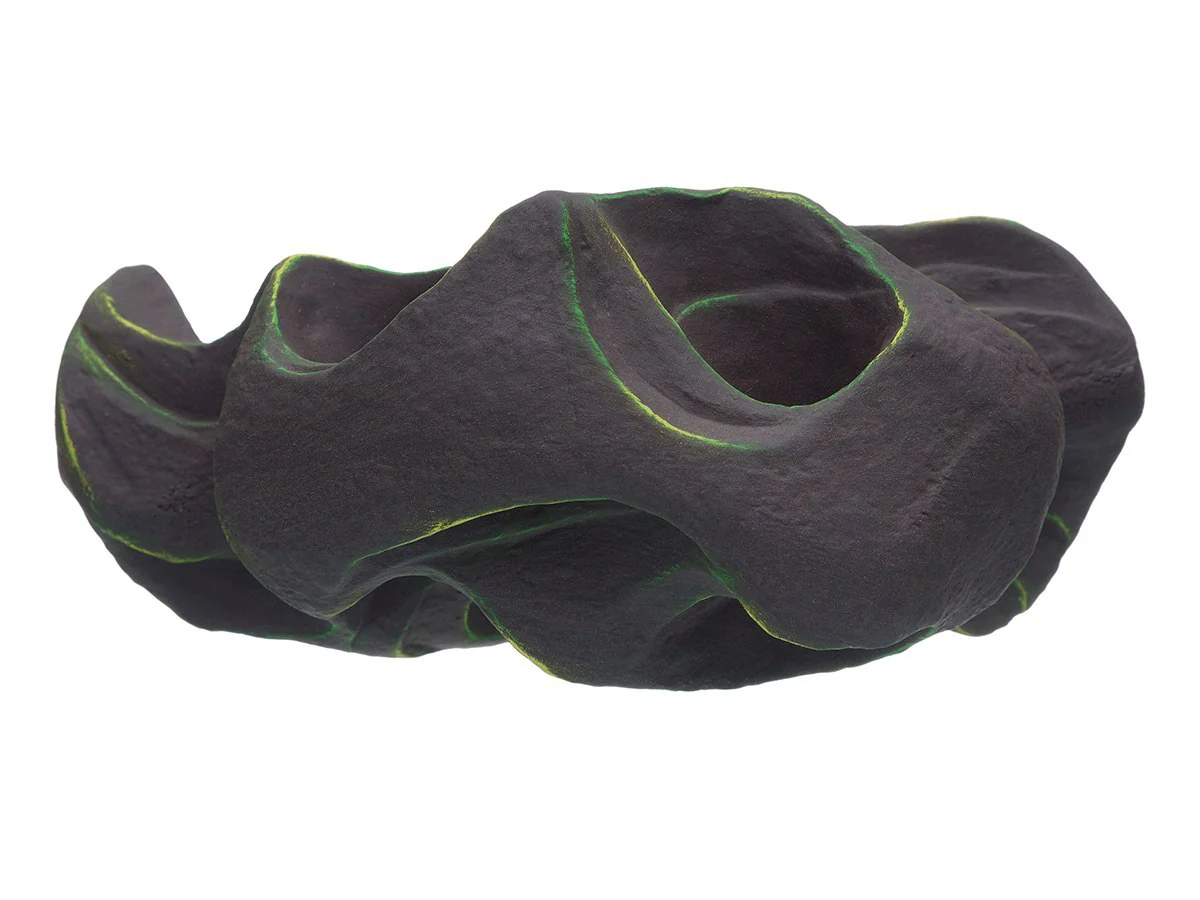
Giant Kuhlii Loach (Pangio myersi)
Giant Kuhli Loach (Pangio myersi)—a larger cousin of the common Kuhli Loach, known for its peaceful nature and unique eel-like movement:
Origin:
Native to Southeast Asia, especially Thailand, Laos, and parts of Indonesia.
Size:
Up to 12 cm (4.7 inches) – slightly larger and stockier than Pangio kuhlii
Lifespan:
8–10 years with proper care
Temperament:
Peaceful, shy, and nocturnal; excellent for community tanks
Tank Requirements:
- Minimum tank size: 30 gallons
- Temperature: 24–30°C (75–86°F)
- pH: 5.5–7.0
- Hardness: Soft water preferred
- Aquascape: Sandy or fine substrate, lots of hiding spots (caves, driftwood, leaf litter), subdued lighting
Diet:
Omnivorous – feeds on sinking pellets, wafers, frozen/live foods like bloodworms, brine shrimp, and daphnia. Will scavenge but needs targeted feeding.
Behavior:
- Social species – thrives in groups of 5 or more
- Burrows and hides during the day; active at night
- Gentle and non-aggressive; compatible with small peaceful fish
- Can squeeze into tight spaces—ensure decor is safe and secure
Breeding:
- Rare in captivity
- Egg scatterers; breeding requires soft, acidic water and dense cover
- Fry are delicate and require specialized care
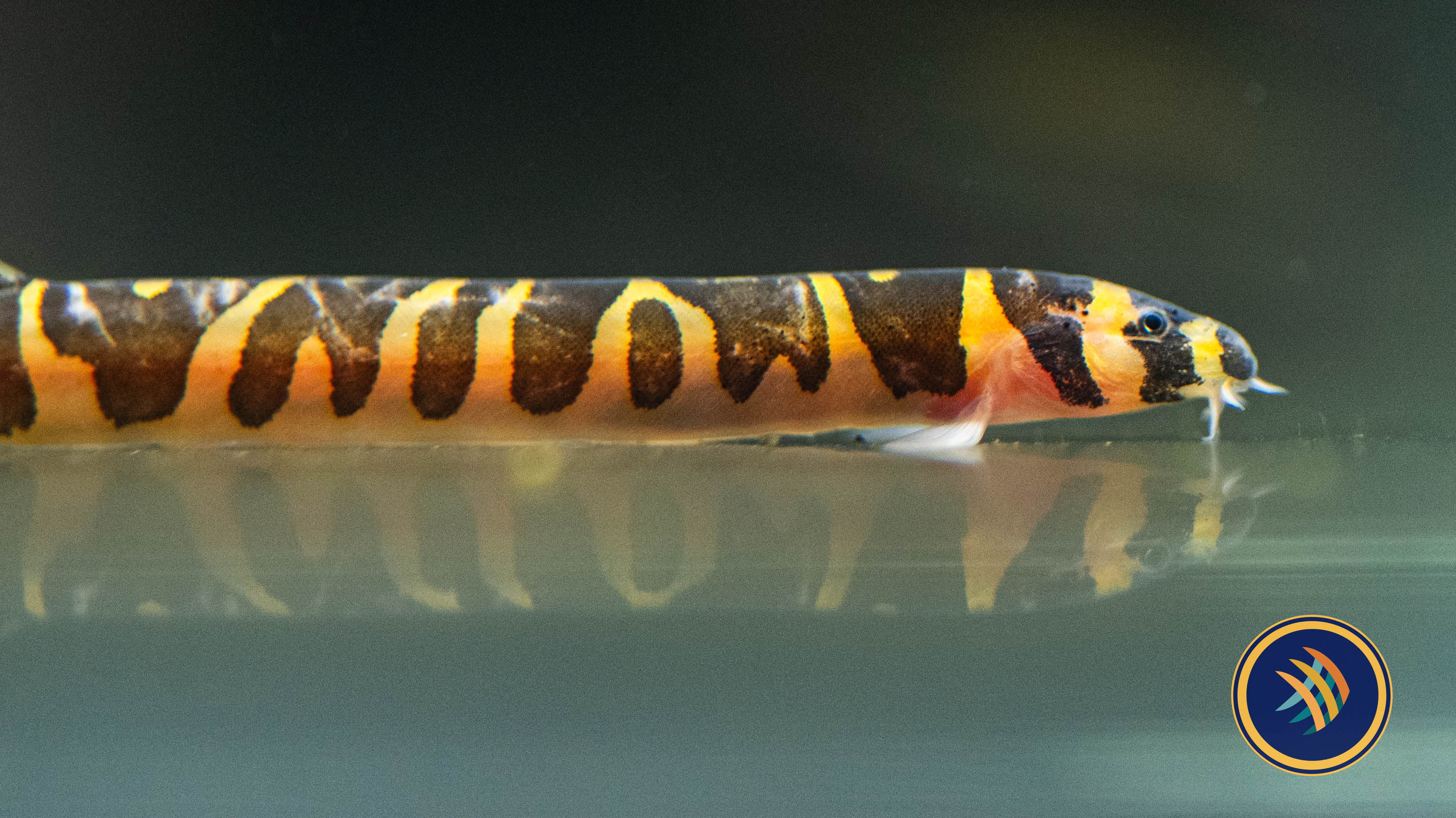
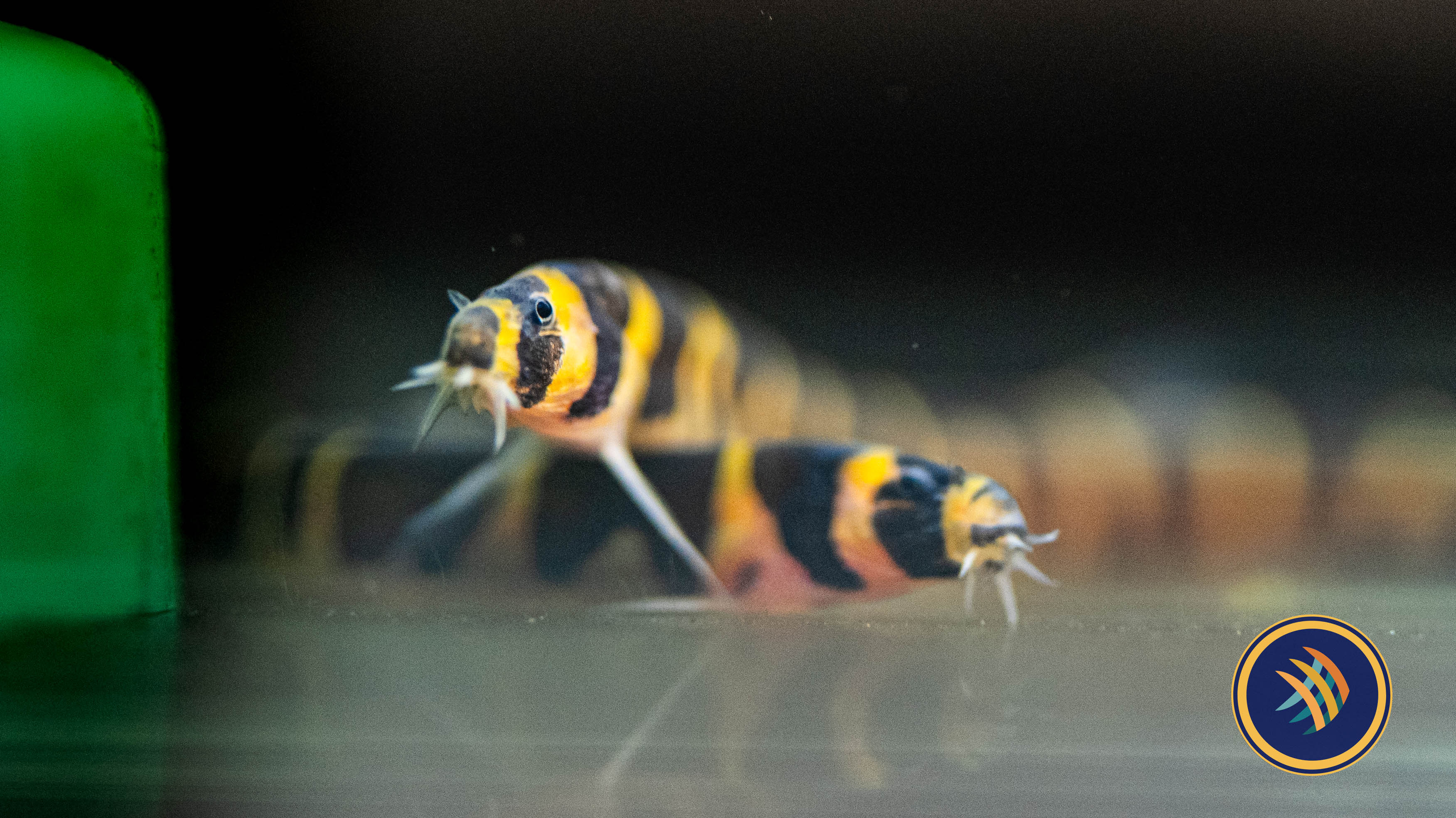


Description
Giant Kuhli Loach (Pangio myersi)—a larger cousin of the common Kuhli Loach, known for its peaceful nature and unique eel-like movement:
Origin:
Native to Southeast Asia, especially Thailand, Laos, and parts of Indonesia.
Size:
Up to 12 cm (4.7 inches) – slightly larger and stockier than Pangio kuhlii
Lifespan:
8–10 years with proper care
Temperament:
Peaceful, shy, and nocturnal; excellent for community tanks
Tank Requirements:
- Minimum tank size: 30 gallons
- Temperature: 24–30°C (75–86°F)
- pH: 5.5–7.0
- Hardness: Soft water preferred
- Aquascape: Sandy or fine substrate, lots of hiding spots (caves, driftwood, leaf litter), subdued lighting
Diet:
Omnivorous – feeds on sinking pellets, wafers, frozen/live foods like bloodworms, brine shrimp, and daphnia. Will scavenge but needs targeted feeding.
Behavior:
- Social species – thrives in groups of 5 or more
- Burrows and hides during the day; active at night
- Gentle and non-aggressive; compatible with small peaceful fish
- Can squeeze into tight spaces—ensure decor is safe and secure
Breeding:
- Rare in captivity
- Egg scatterers; breeding requires soft, acidic water and dense cover
- Fry are delicate and require specialized care