🚚 Free Worldwide Shipping on All Orders!Shop Now
LDA031 Mustard Spot Pleco (Panaqolus albomaculatus)
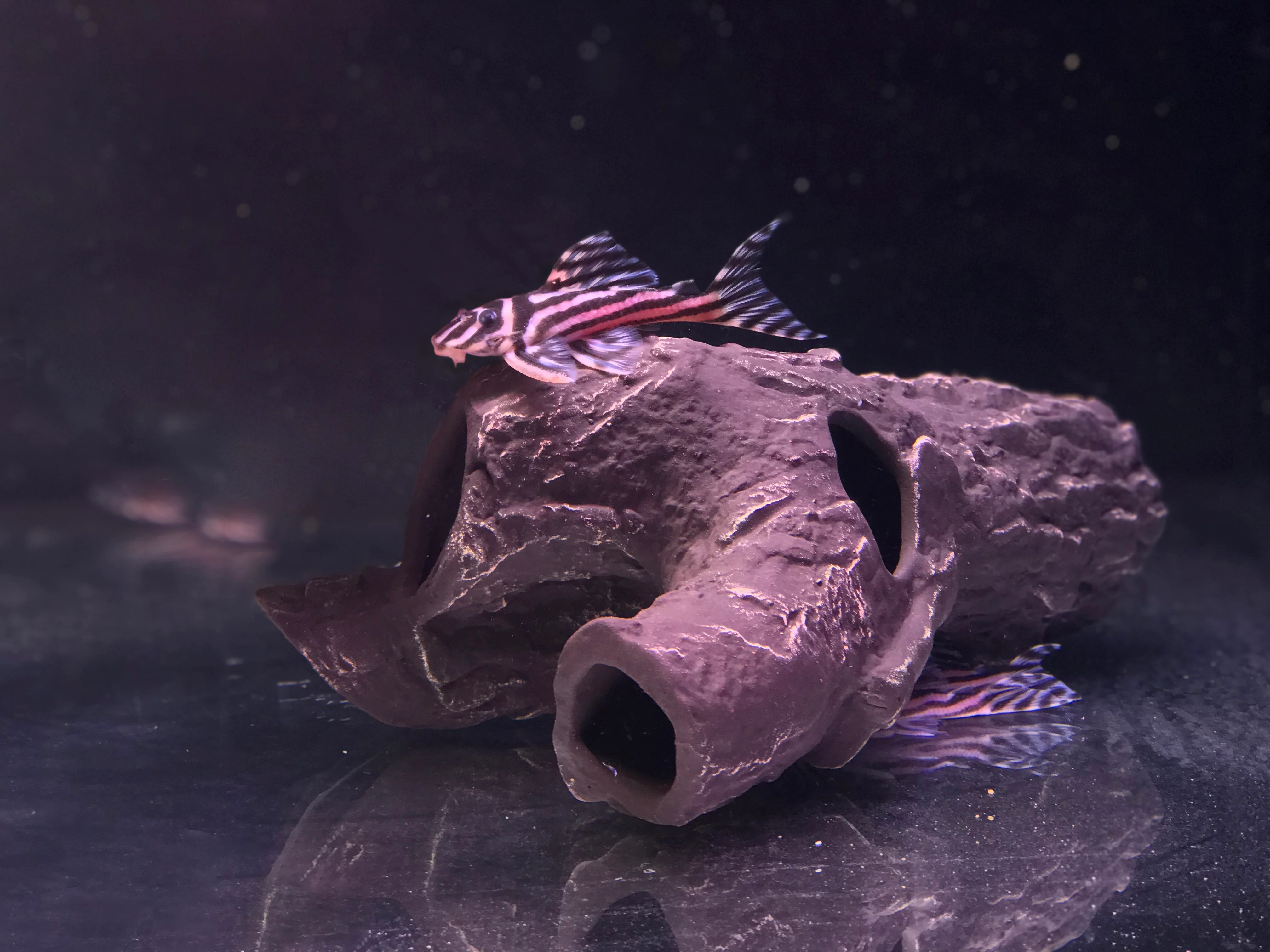
LDA031 Mustard Spot Pleco (Panaqolus albomaculatus), also known as the Orange Spot Pleco, is a small, wood-eating Loricariid native to the upper Amazon basin. It's a peaceful and attractive species ideal for medium-sized aquariums.
Species Overview
- Scientific Name: Panaqolus albomaculatus (syn. Panaque albomaculatus)
- Common Names: Mustard Spot Pleco, Orange Spot Pleco, LDA031
- Size: Up to 12.4 cm (4.9") standard length ; some sources report up to 15 cm (5.9")
- Origin: Ecuador, Peru, and southern Colombia — tributaries of the Río Suno, Napo, Marañón, and Ucayali rivers
Habitat & Tank Setup
- Tank Size: Minimum 40 gallons for adults
- Substrate: Sand or fine gravel
-
Decor:
- Bogwood is essential — they rasp on it for nutrition and shelter
- Smooth rocks and caves for hiding
- Floating plants or shaded areas to diffuse light
- Lighting: Dim to moderate
-
Water Parameters:
- Temperature: 25–29°C (77–84°F)
- pH: 6.0–7.5
- Hardness: Soft to moderately hard (up to 15 dGH)
- Ammonia/Nitrite: 0 ppm
- Nitrate: <30 ppm
Diet
- Feeding Type: Specialized wood-eater (xylophagous)
-
Diet:
- Bogwood (essential)
- Algae wafers, sinking pellets, gel foods
- Blanched vegetables: zucchini, cucumber, sweet potato
- Occasional protein: mosquito larvae (avoid excess)
Behavior & Compatibility
- Temperament: Peaceful with most tankmates
- Social Behavior: May be territorial with other plecos; provide visual barriers and space (30×30 cm per fish)
- Tankmates: Ideal with small, peaceful fish like tetras, Corydoras, pencilfish, and rainbowfish
Breeding
- Status: Not commonly bred in aquariums
- Challenges: Requires mature pairs, soft water, increased flow, and tight caves
- Sexing: Males develop long interopercular spines and fine denticles giving a furry appearance
Appearance
- Coloration: Dark base with off-white to mustard-colored spots
- Tail: Lyretail typical of Panaqolus genus
- Variations: Spot size and density may vary by collection location
$13.73
Original: $39.23
-65%LDA031 Mustard Spot Pleco (Panaqolus albomaculatus)—
$39.23
$13.73


Description
LDA031 Mustard Spot Pleco (Panaqolus albomaculatus), also known as the Orange Spot Pleco, is a small, wood-eating Loricariid native to the upper Amazon basin. It's a peaceful and attractive species ideal for medium-sized aquariums.
Species Overview
- Scientific Name: Panaqolus albomaculatus (syn. Panaque albomaculatus)
- Common Names: Mustard Spot Pleco, Orange Spot Pleco, LDA031
- Size: Up to 12.4 cm (4.9") standard length ; some sources report up to 15 cm (5.9")
- Origin: Ecuador, Peru, and southern Colombia — tributaries of the Río Suno, Napo, Marañón, and Ucayali rivers
Habitat & Tank Setup
- Tank Size: Minimum 40 gallons for adults
- Substrate: Sand or fine gravel
-
Decor:
- Bogwood is essential — they rasp on it for nutrition and shelter
- Smooth rocks and caves for hiding
- Floating plants or shaded areas to diffuse light
- Lighting: Dim to moderate
-
Water Parameters:
- Temperature: 25–29°C (77–84°F)
- pH: 6.0–7.5
- Hardness: Soft to moderately hard (up to 15 dGH)
- Ammonia/Nitrite: 0 ppm
- Nitrate: <30 ppm
Diet
- Feeding Type: Specialized wood-eater (xylophagous)
-
Diet:
- Bogwood (essential)
- Algae wafers, sinking pellets, gel foods
- Blanched vegetables: zucchini, cucumber, sweet potato
- Occasional protein: mosquito larvae (avoid excess)
Behavior & Compatibility
- Temperament: Peaceful with most tankmates
- Social Behavior: May be territorial with other plecos; provide visual barriers and space (30×30 cm per fish)
- Tankmates: Ideal with small, peaceful fish like tetras, Corydoras, pencilfish, and rainbowfish
Breeding
- Status: Not commonly bred in aquariums
- Challenges: Requires mature pairs, soft water, increased flow, and tight caves
- Sexing: Males develop long interopercular spines and fine denticles giving a furry appearance
Appearance
- Coloration: Dark base with off-white to mustard-colored spots
- Tail: Lyretail typical of Panaqolus genus
- Variations: Spot size and density may vary by collection location