🚚 Free Worldwide Shipping on All Orders!Shop Now
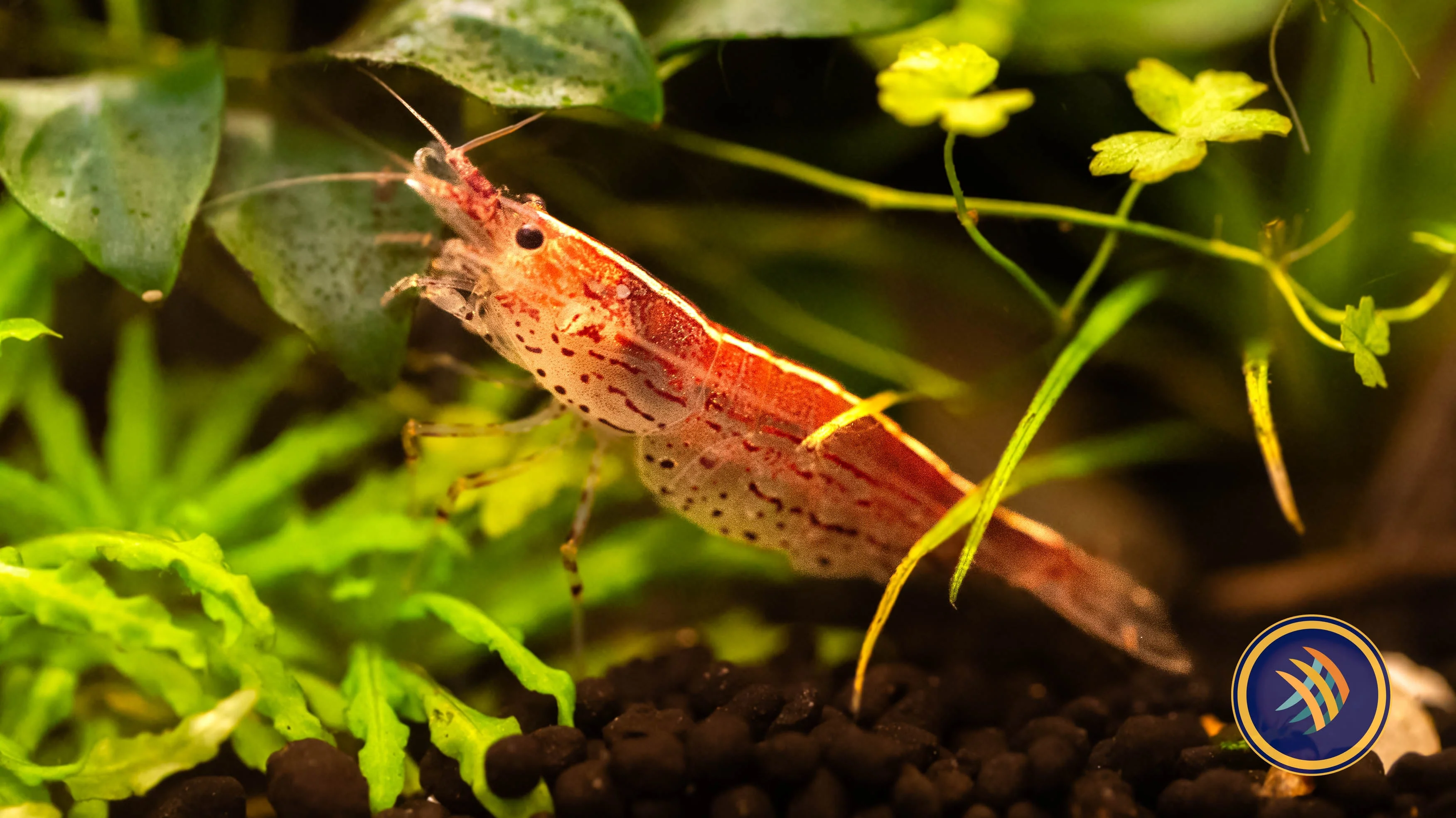
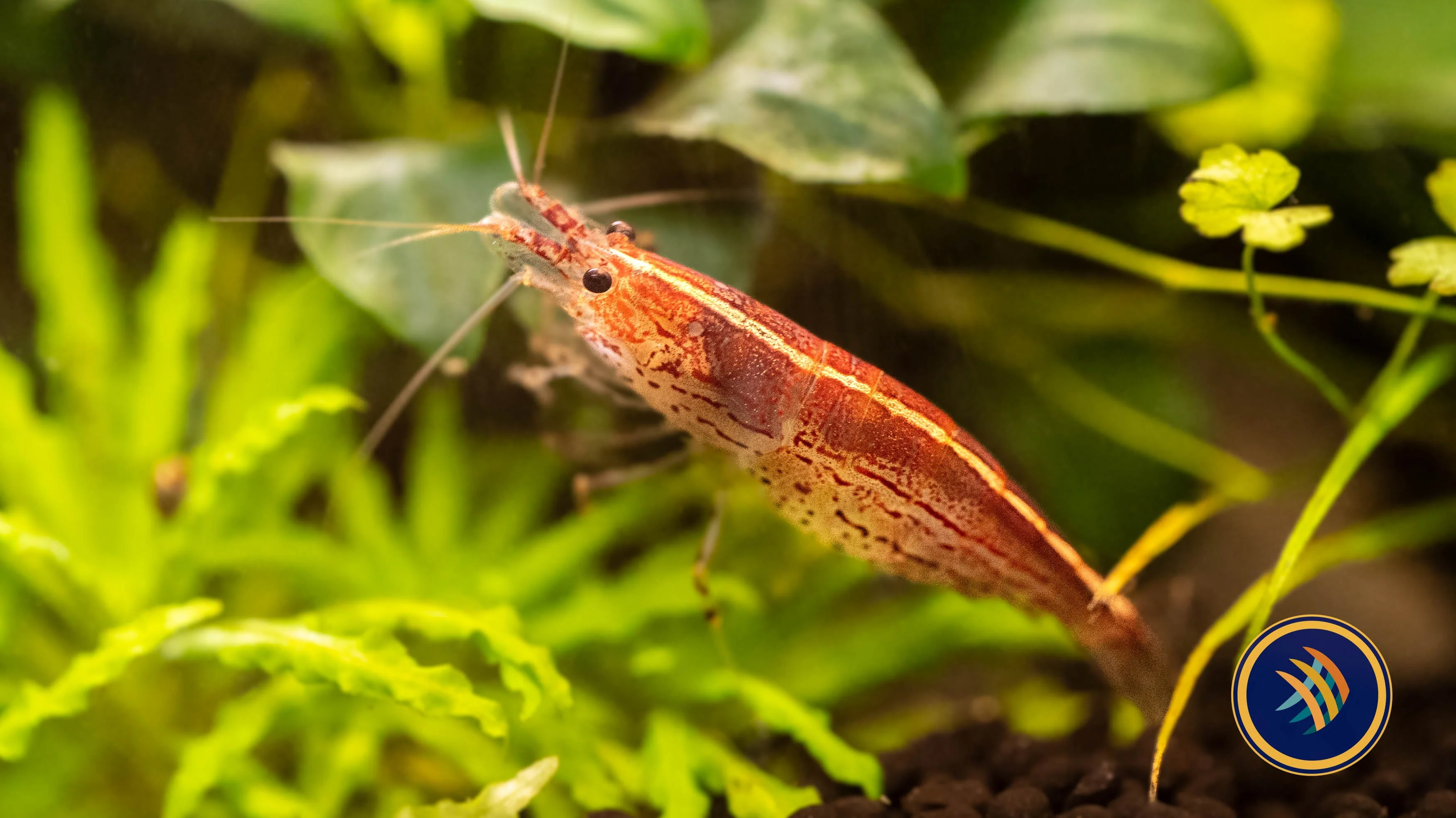
Orange Mexican Dwarf Crayfish (Cambarellus patzcuarensis var. orange)
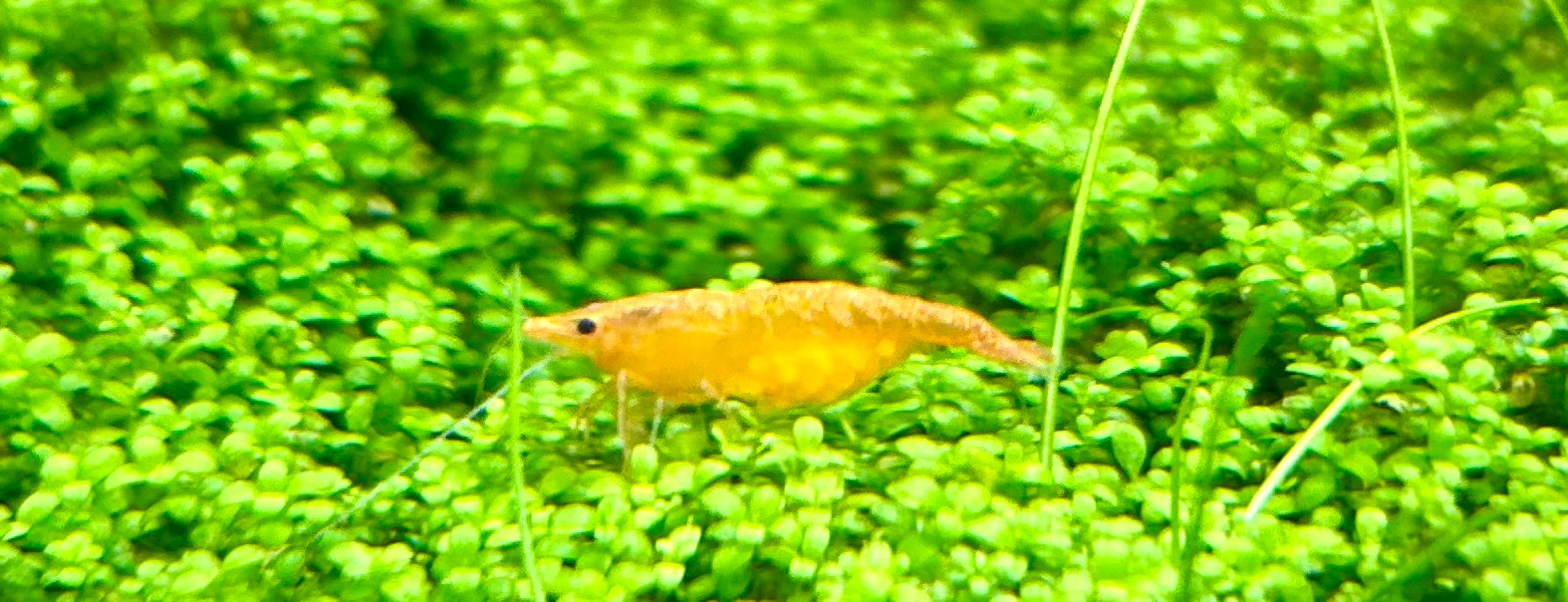
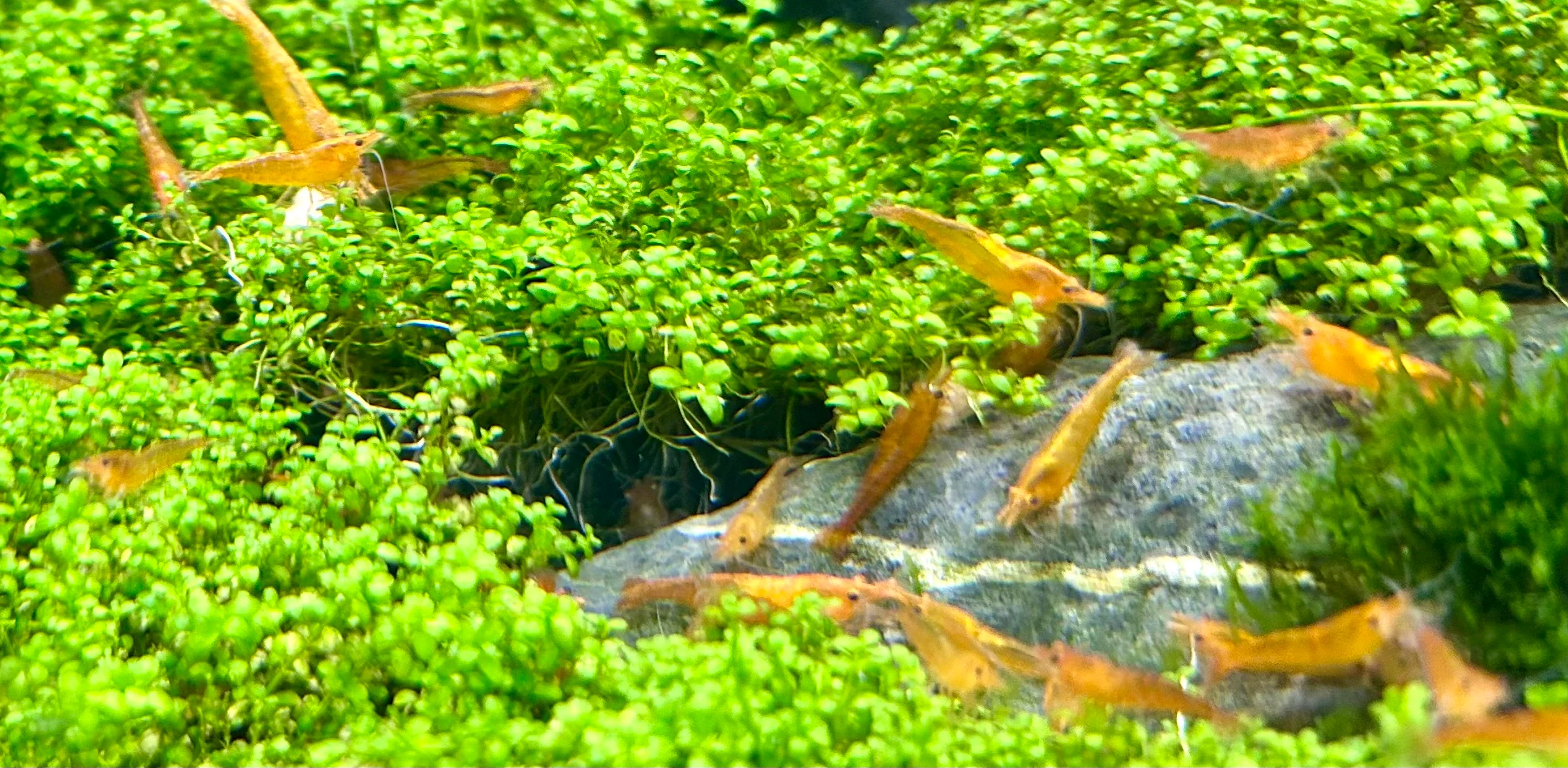
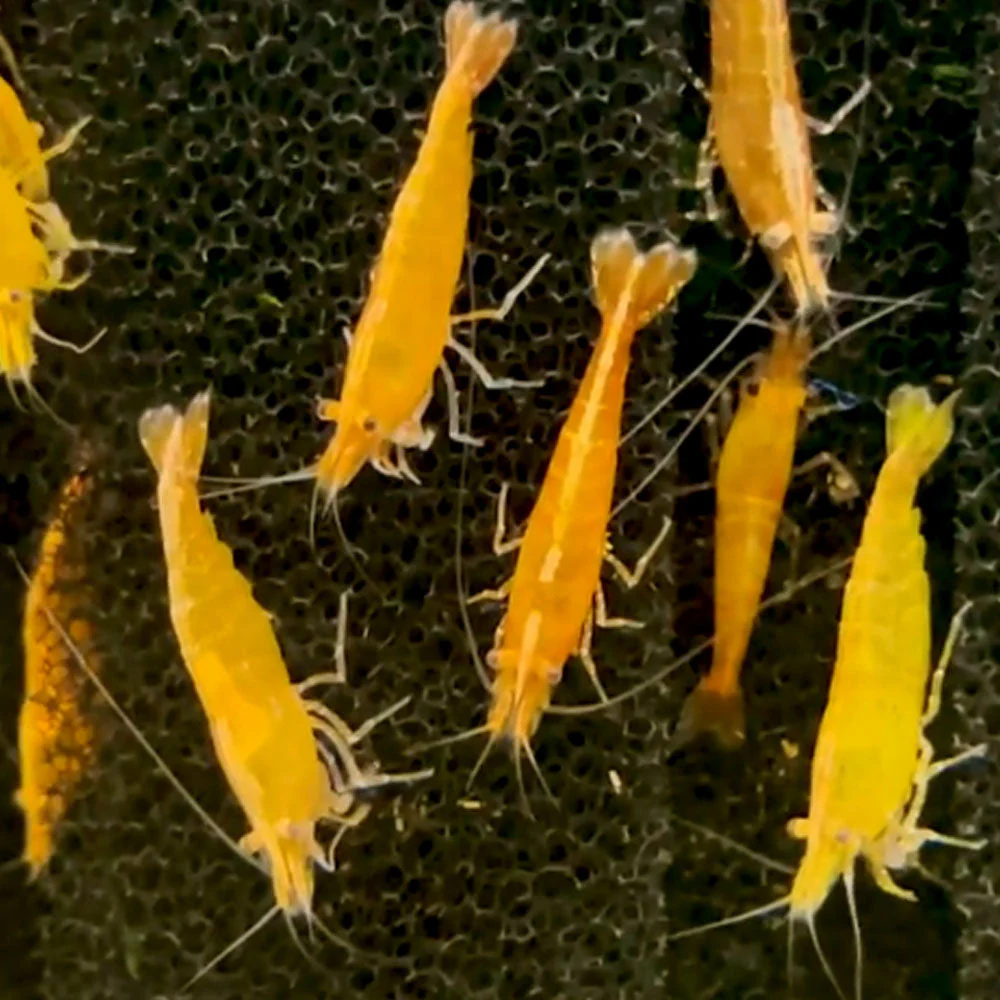
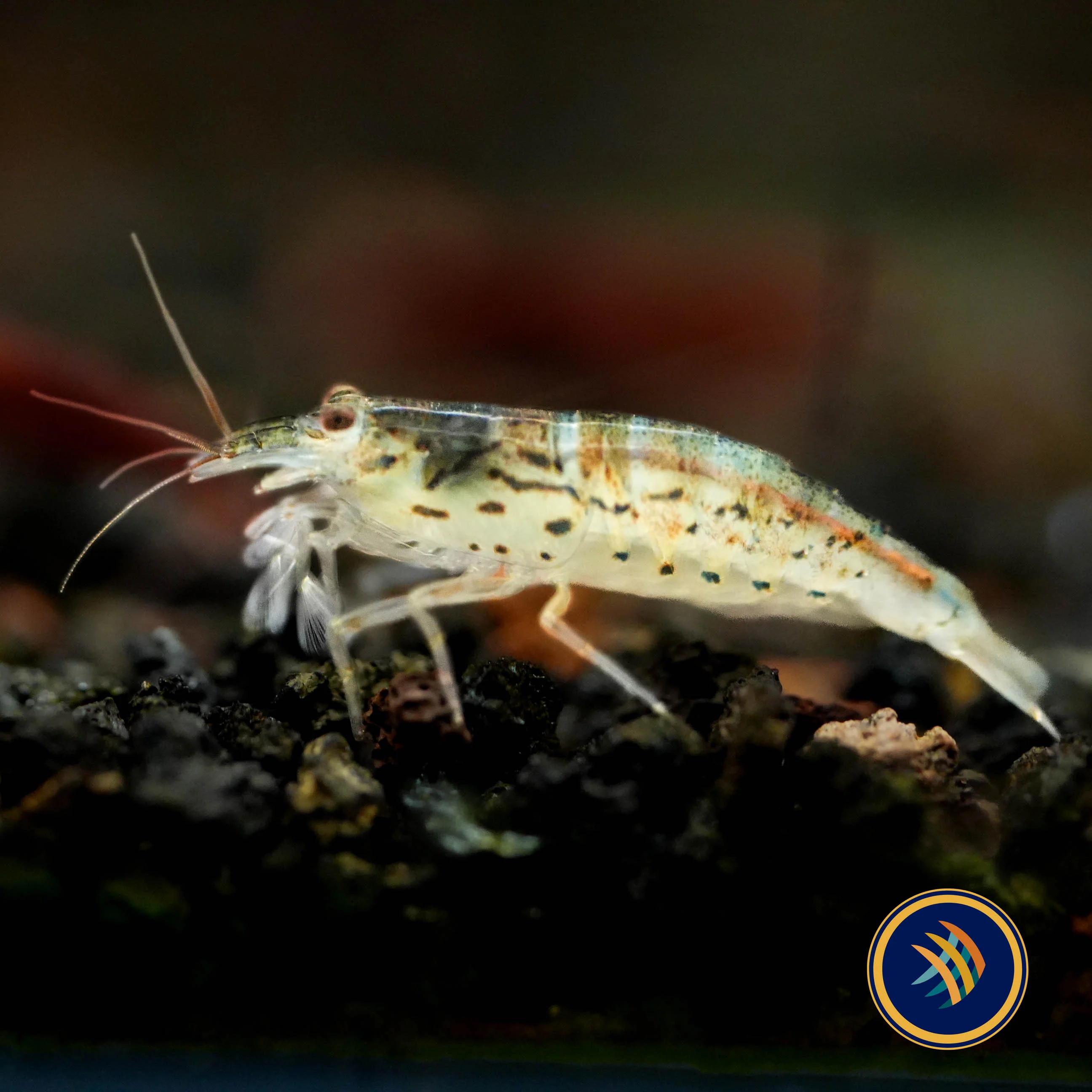
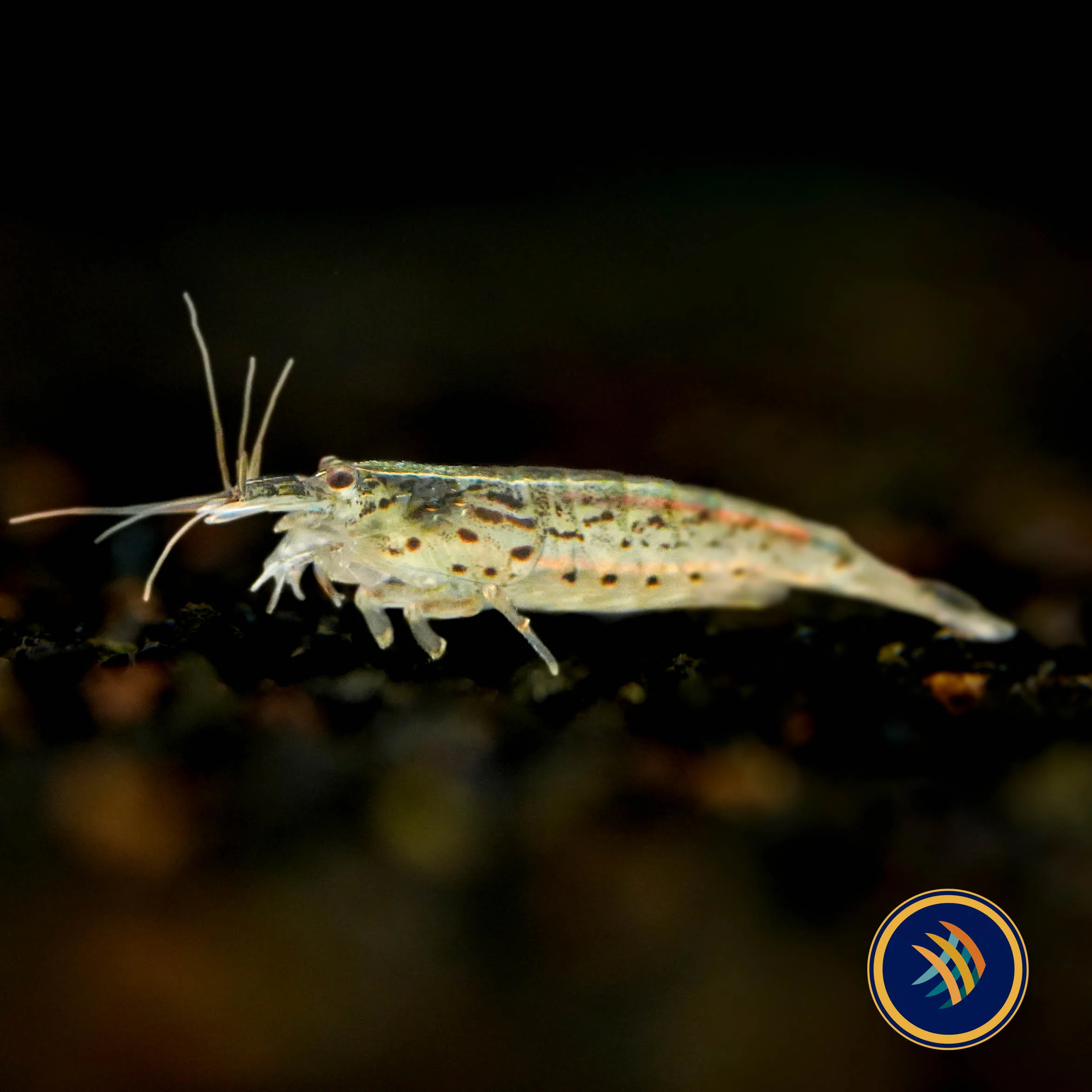
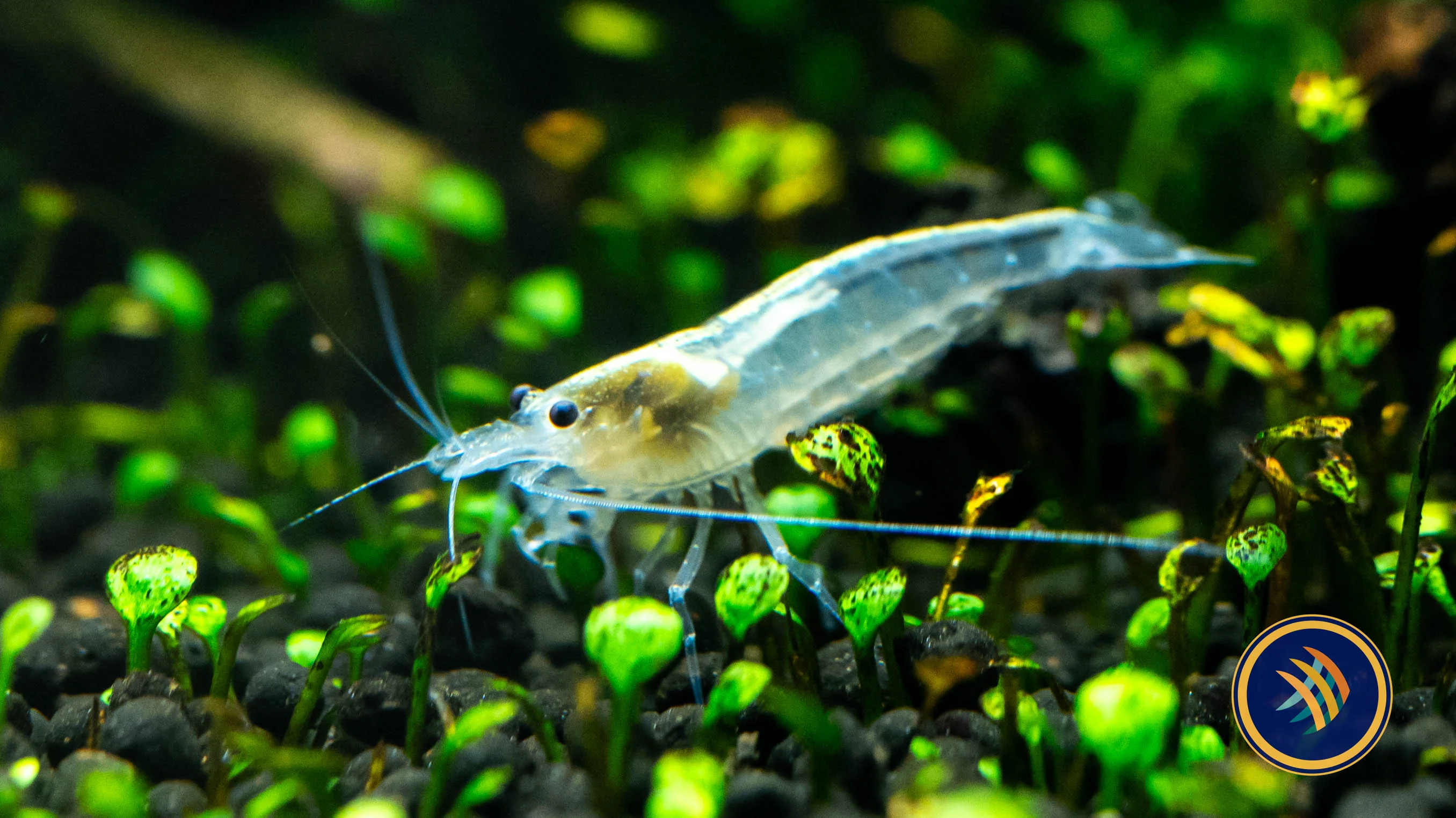
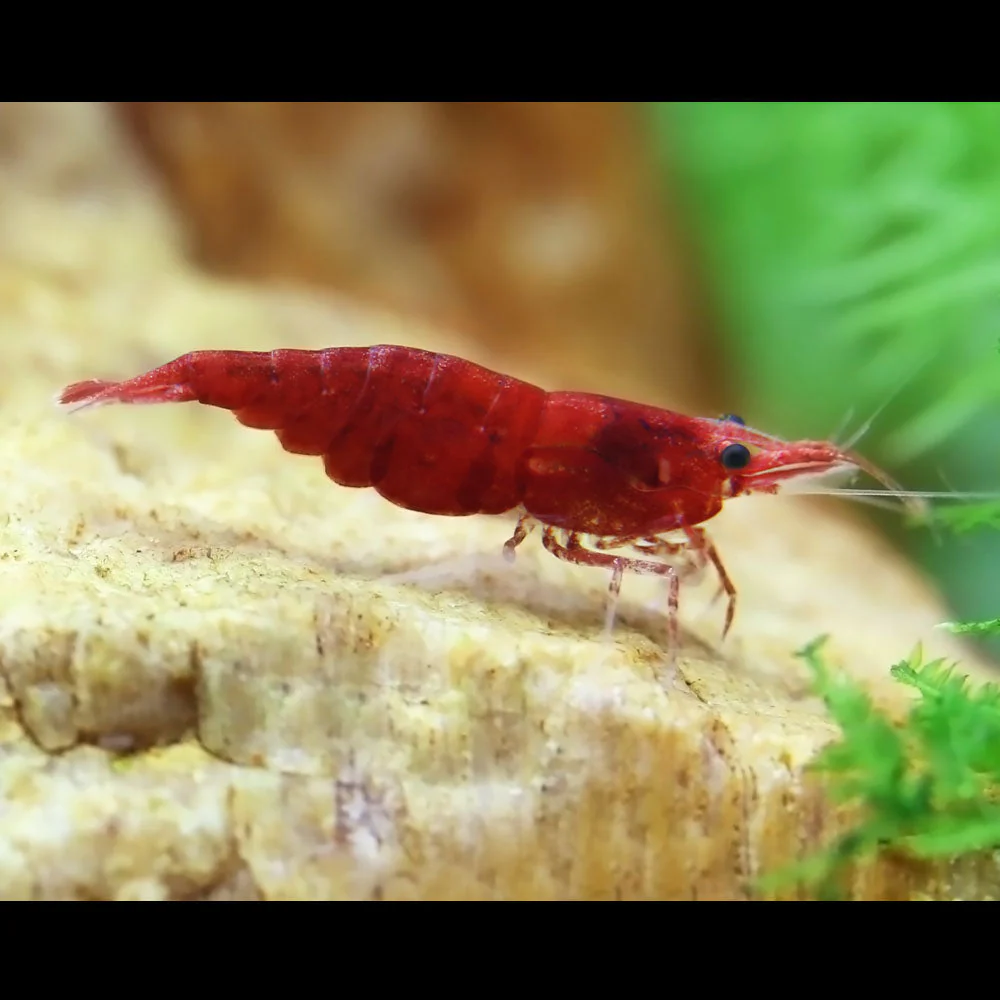
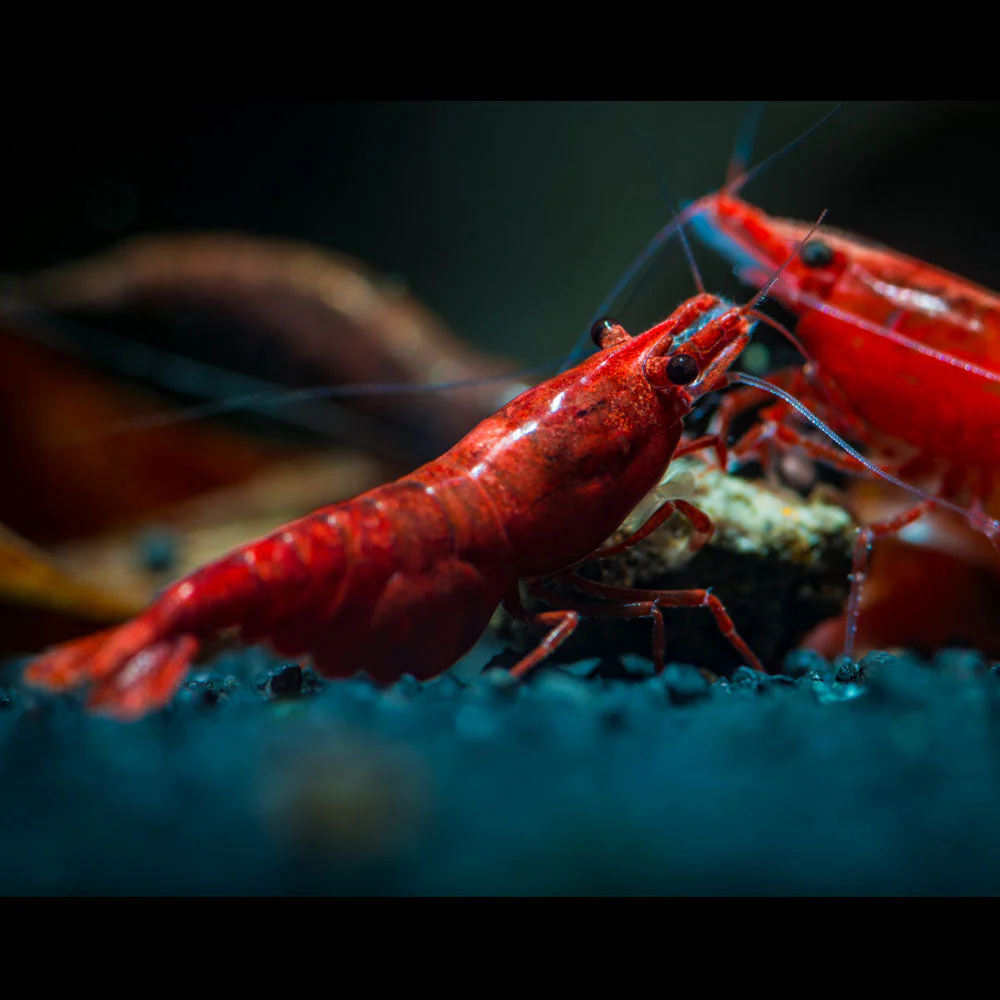
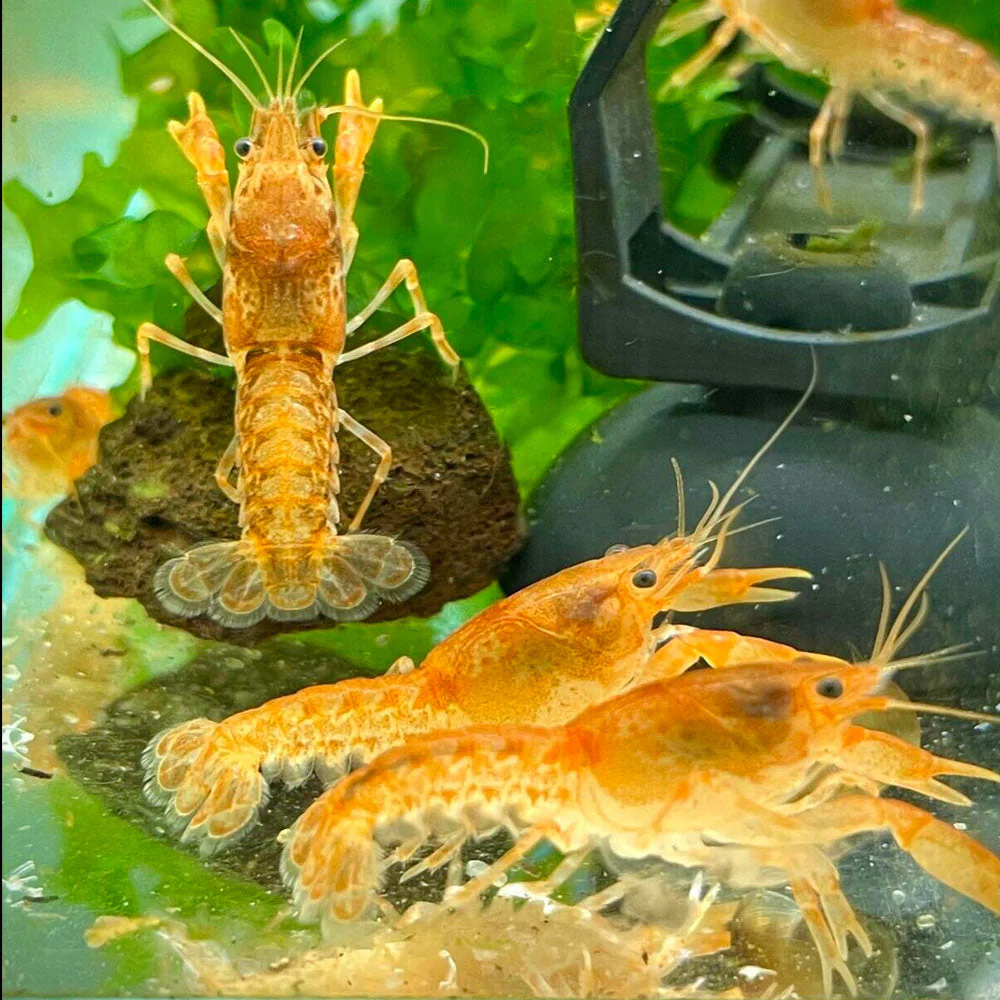
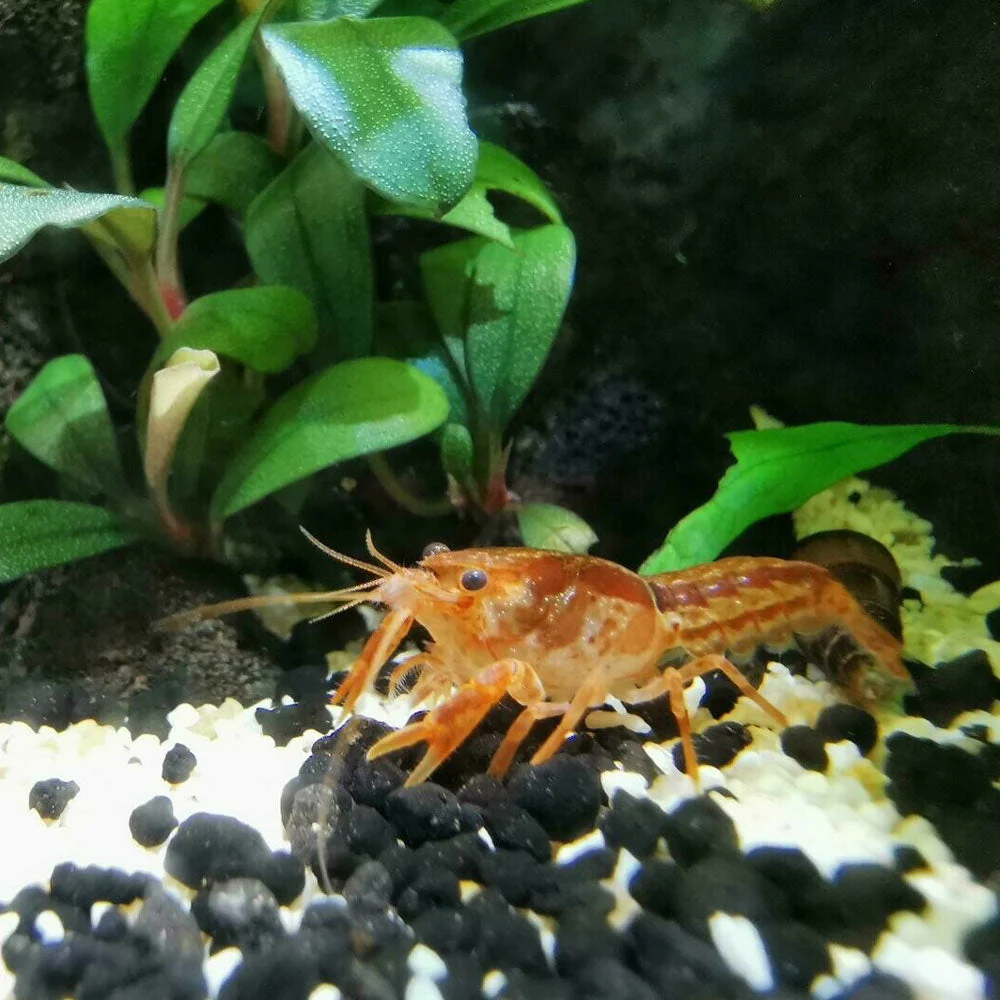
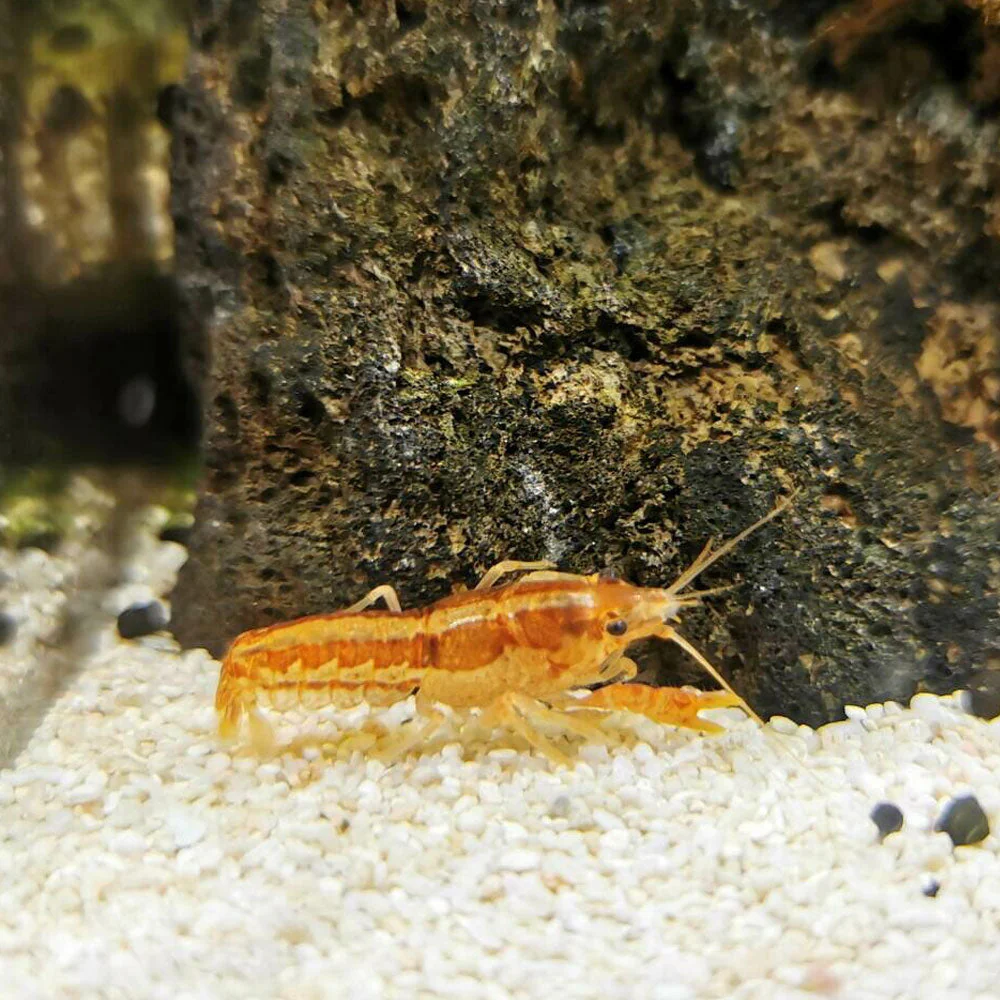
Orange Mexican Dwarf Crayfish (Cambarellus patzcuarensis var. orange), also known as the CPO crayfish, is a vibrant, peaceful, and hardy freshwater invertebrate ideal for nano and community aquariums.
Species Overview
- Scientific Name: Cambarellus patzcuarensis var. orange
- Common Names: Orange Dwarf Crayfish, Mexican Mini-Lobster, CPO Crayfish
- Size: 1.5–2 inches (3.8–5 cm)
- Lifespan: 2–3 years
- Temperament: Peaceful but mildly territorial, especially males
Tank Setup
- Minimum Tank Size: 10 gallons for 1–2 crayfish
- Substrate: Fine sand or basalt (preferred for growth and comfort)
- Decor: Caves, driftwood, leaf litter, live plants (they don’t destroy plants like larger crayfish)
- Filtration: Gentle flow; sponge filters are ideal for breeding tanks
- Lighting: Moderate to low
- Lid: Required—they are escape artists
Water Parameters
- Temperature: 65–75°F (18–24°C)
- pH: 6.5–8.0 (ideal: 7.5–8.0)
- GH: 3–18
- KH: 3–15
- TDS: 100–500 ppm
- Nitrate: <20 ppm
- Note: Avoid copper in food, meds, or fertilizers—it’s toxic to inverts
Diet
- Type: Omnivorous scavenger
-
Staples:
- Invertebrate pellets
- Algae wafers
- Blanched vegetables (zucchini, spinach, carrots)
- Frozen/live foods: bloodworms, brine shrimp, mosquito larvae
- Behavior: Will eat leftovers, detritus, and even molted exoskeletons
Breeding
- Ease: Easy in stable conditions
-
Process:
- Males pin females to mate
- Females carry fertilized eggs under swimmerets for 3–4 weeks
- Fry are born as miniature adults and are independent
-
Tips:
- Provide multiple hiding spots for fry
- Avoid overcrowding to reduce aggression
- Fry may eat each other if food is scarce
Tankmates
-
Compatible With:
- Peaceful fish (e.g., guppies, rasboras)
- Shrimp and snails (with caution—may eat slow or dead ones)
-
Avoid:
- Aggressive or large fish
- Overcrowding with other crayfish
$7.13
Orange Mexican Dwarf Crayfish (Cambarellus patzcuarensis var. orange)—
$7.13
Description
Orange Mexican Dwarf Crayfish (Cambarellus patzcuarensis var. orange), also known as the CPO crayfish, is a vibrant, peaceful, and hardy freshwater invertebrate ideal for nano and community aquariums.
Species Overview
- Scientific Name: Cambarellus patzcuarensis var. orange
- Common Names: Orange Dwarf Crayfish, Mexican Mini-Lobster, CPO Crayfish
- Size: 1.5–2 inches (3.8–5 cm)
- Lifespan: 2–3 years
- Temperament: Peaceful but mildly territorial, especially males
Tank Setup
- Minimum Tank Size: 10 gallons for 1–2 crayfish
- Substrate: Fine sand or basalt (preferred for growth and comfort)
- Decor: Caves, driftwood, leaf litter, live plants (they don’t destroy plants like larger crayfish)
- Filtration: Gentle flow; sponge filters are ideal for breeding tanks
- Lighting: Moderate to low
- Lid: Required—they are escape artists
Water Parameters
- Temperature: 65–75°F (18–24°C)
- pH: 6.5–8.0 (ideal: 7.5–8.0)
- GH: 3–18
- KH: 3–15
- TDS: 100–500 ppm
- Nitrate: <20 ppm
- Note: Avoid copper in food, meds, or fertilizers—it’s toxic to inverts
Diet
- Type: Omnivorous scavenger
-
Staples:
- Invertebrate pellets
- Algae wafers
- Blanched vegetables (zucchini, spinach, carrots)
- Frozen/live foods: bloodworms, brine shrimp, mosquito larvae
- Behavior: Will eat leftovers, detritus, and even molted exoskeletons
Breeding
- Ease: Easy in stable conditions
-
Process:
- Males pin females to mate
- Females carry fertilized eggs under swimmerets for 3–4 weeks
- Fry are born as miniature adults and are independent
-
Tips:
- Provide multiple hiding spots for fry
- Avoid overcrowding to reduce aggression
- Fry may eat each other if food is scarce
Tankmates
-
Compatible With:
- Peaceful fish (e.g., guppies, rasboras)
- Shrimp and snails (with caution—may eat slow or dead ones)
-
Avoid:
- Aggressive or large fish
- Overcrowding with other crayfish