🚚 Free Worldwide Shipping on All Orders!Shop Now
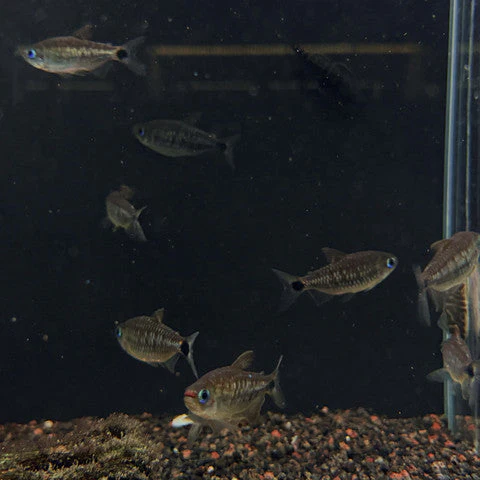
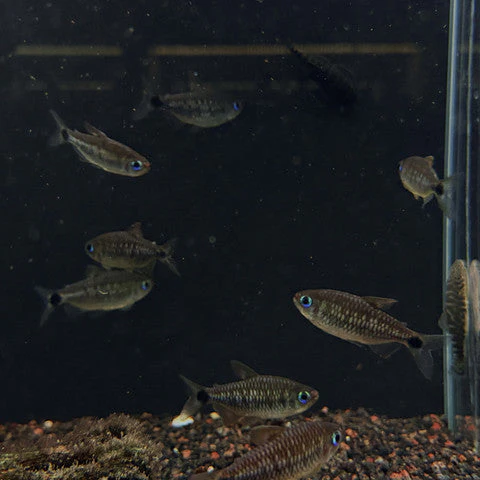
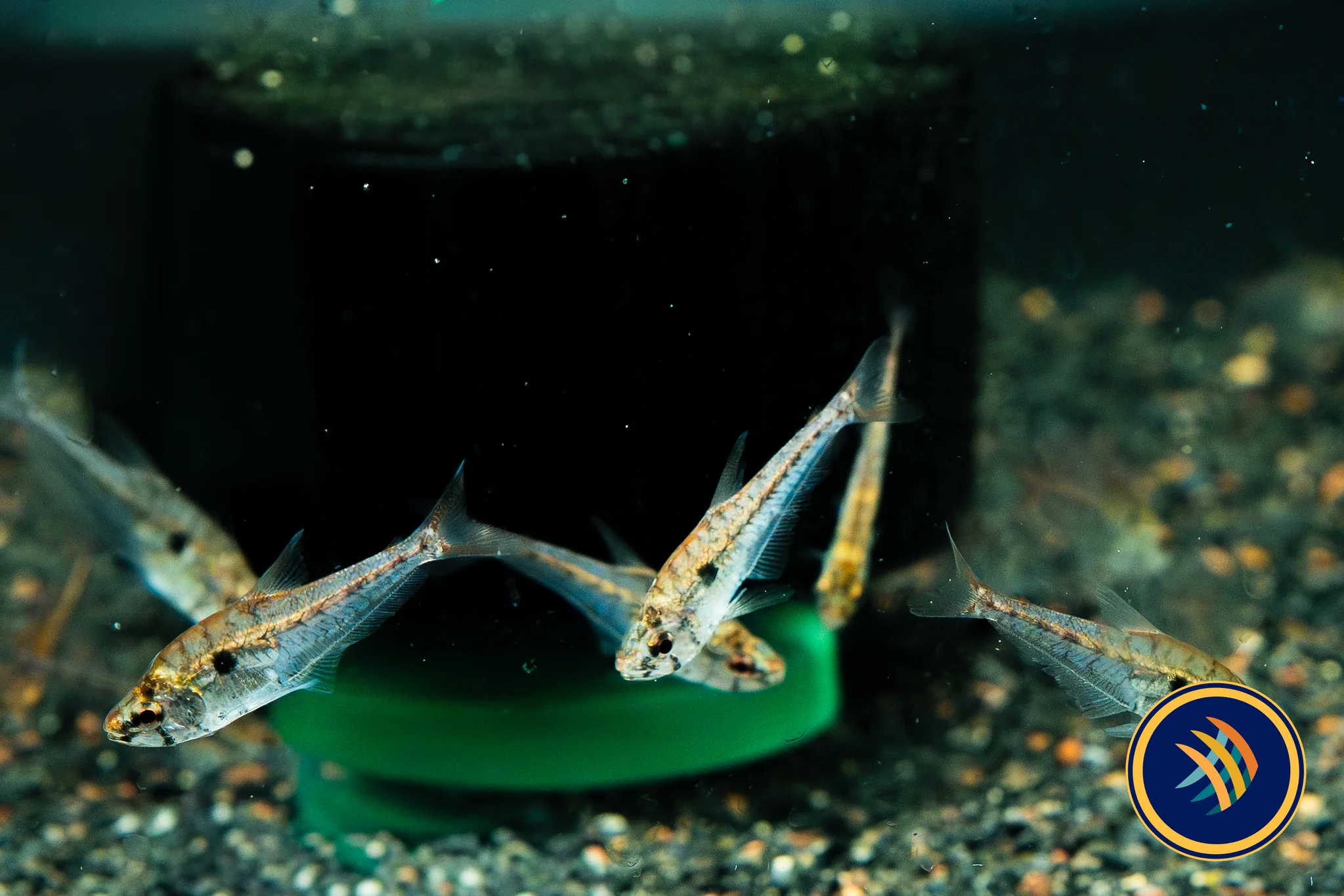
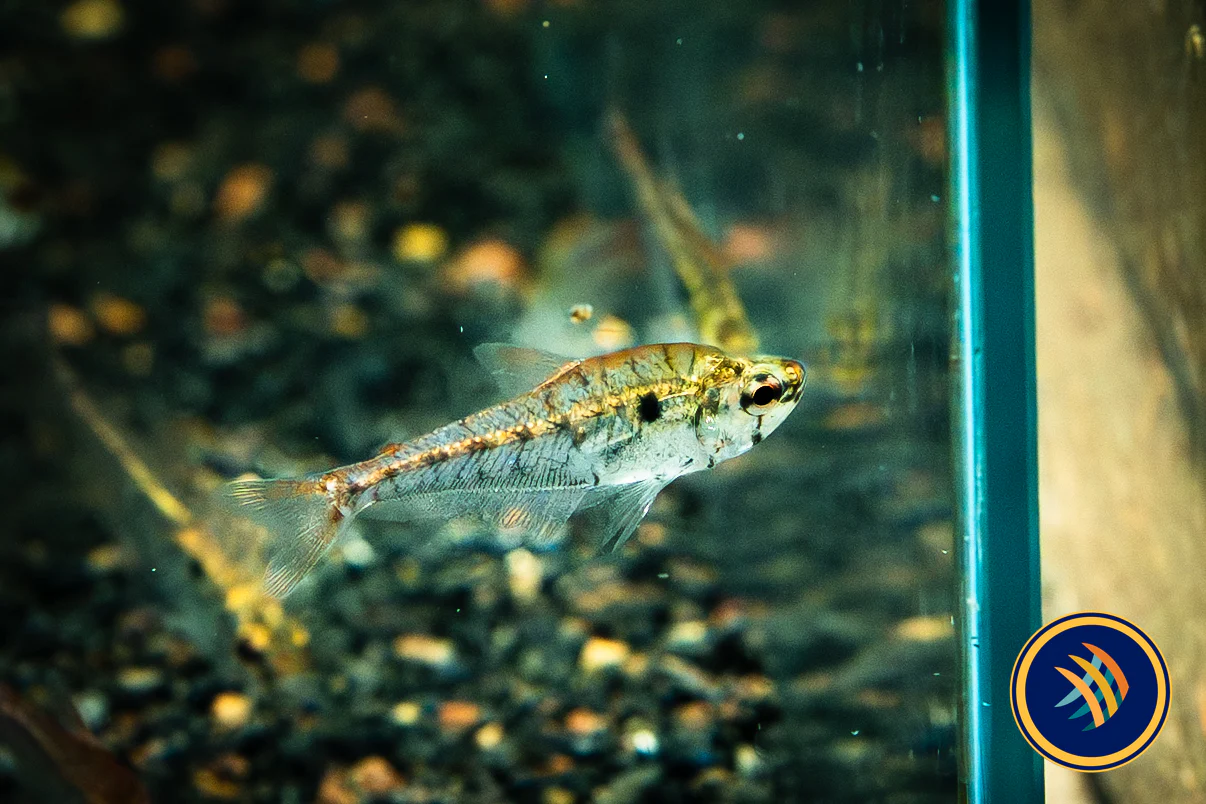
Red Neon Blue Eye Rainbow (Pseudomugil luminatus)
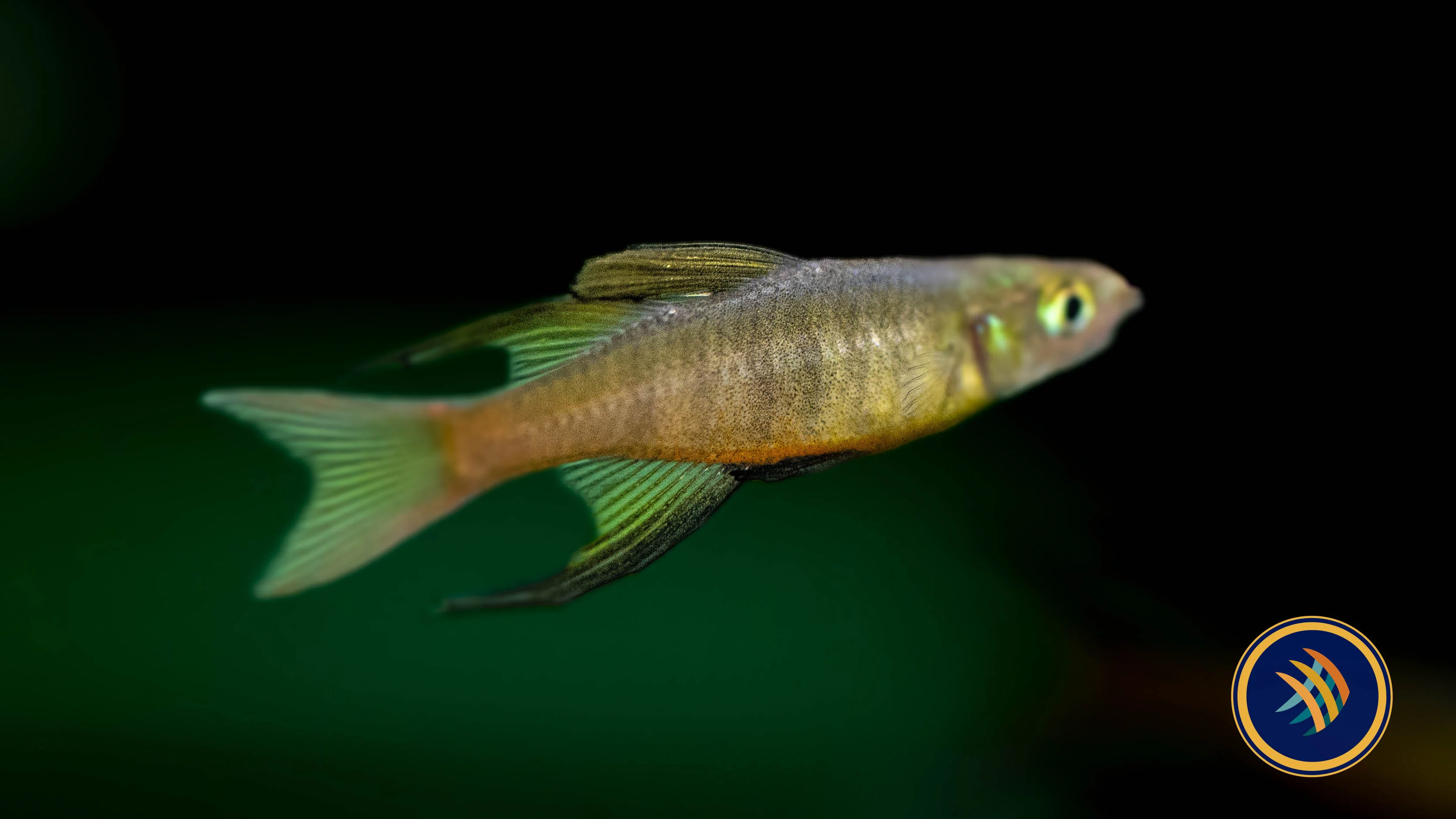
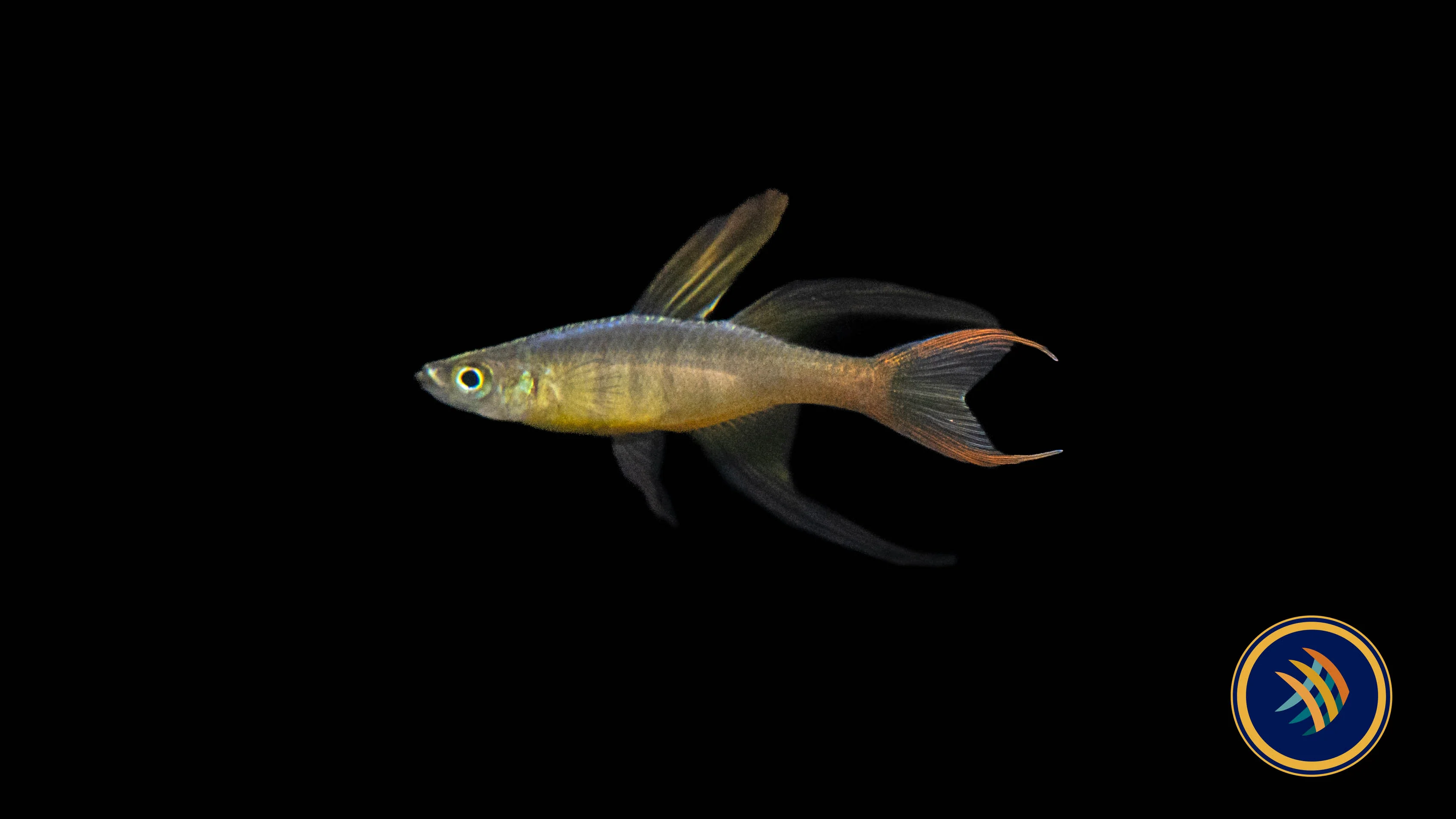
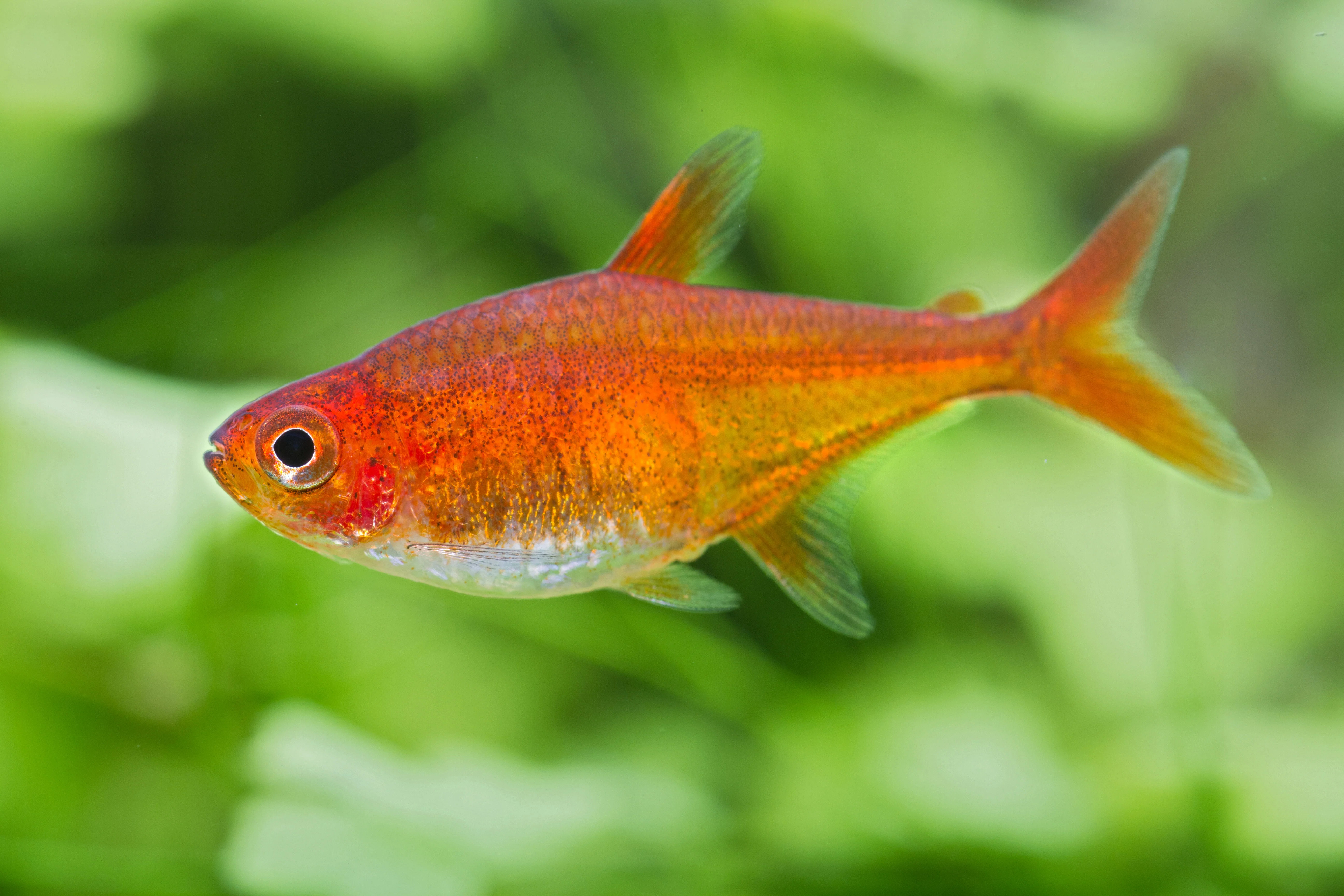
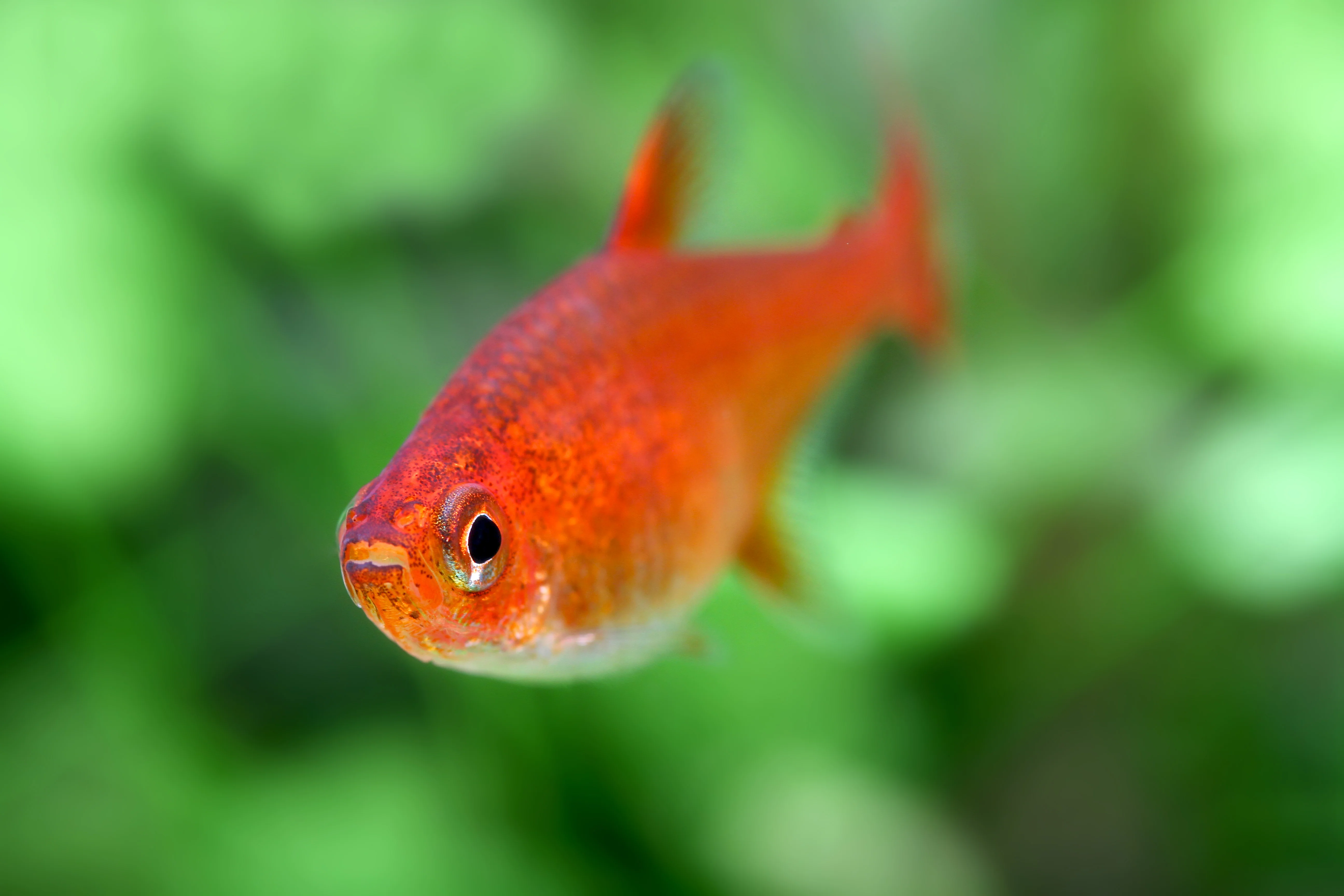
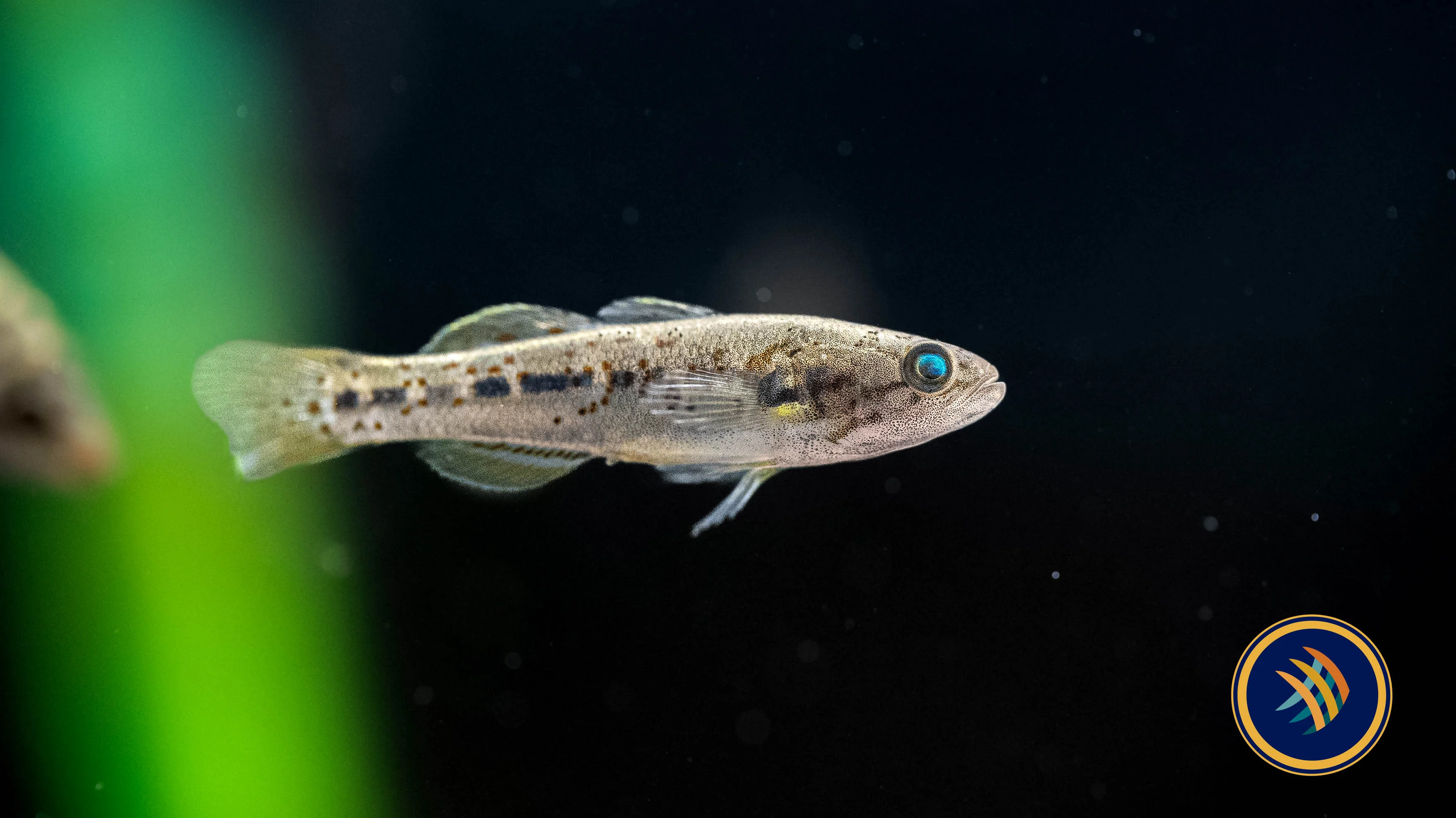
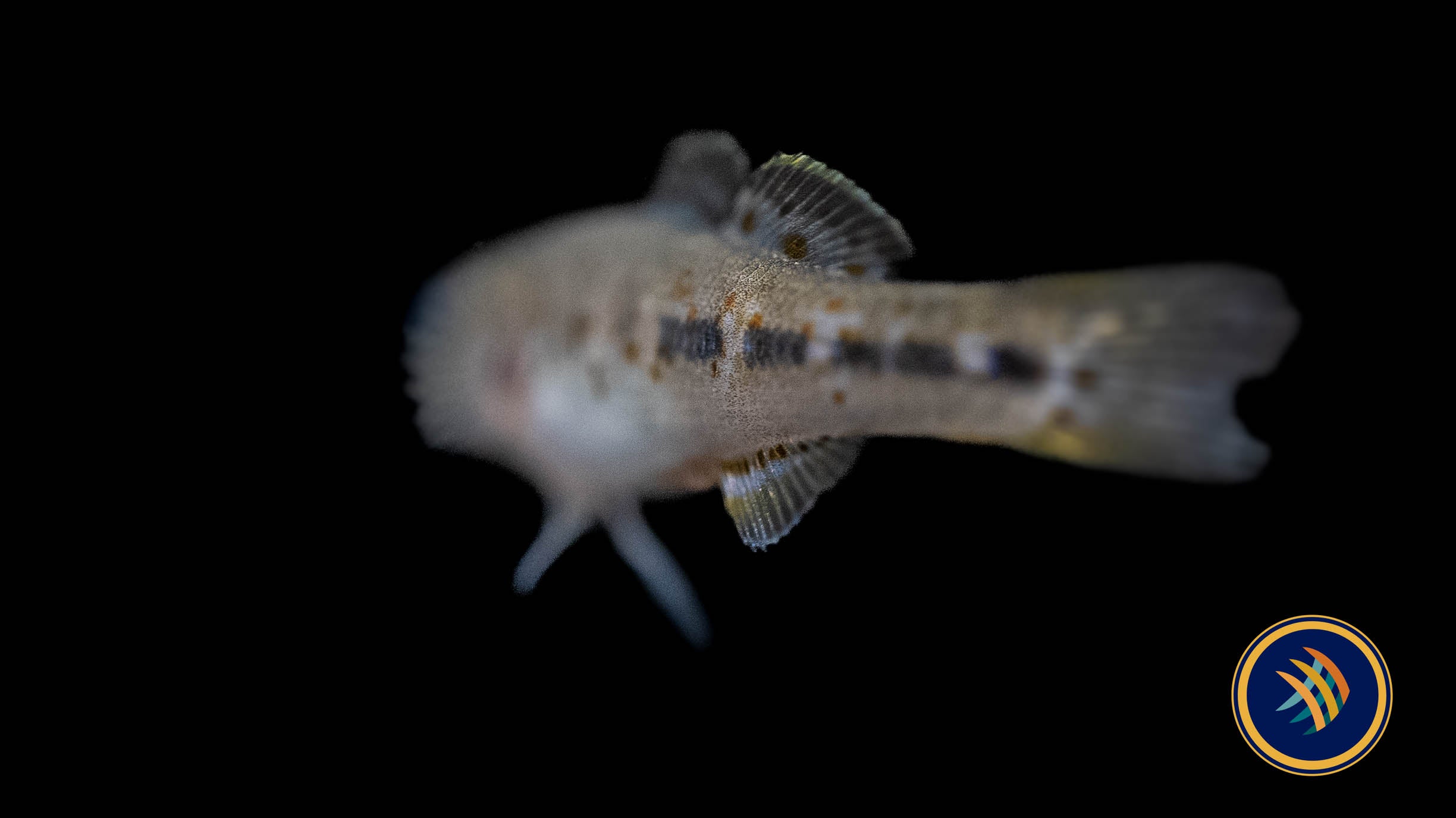
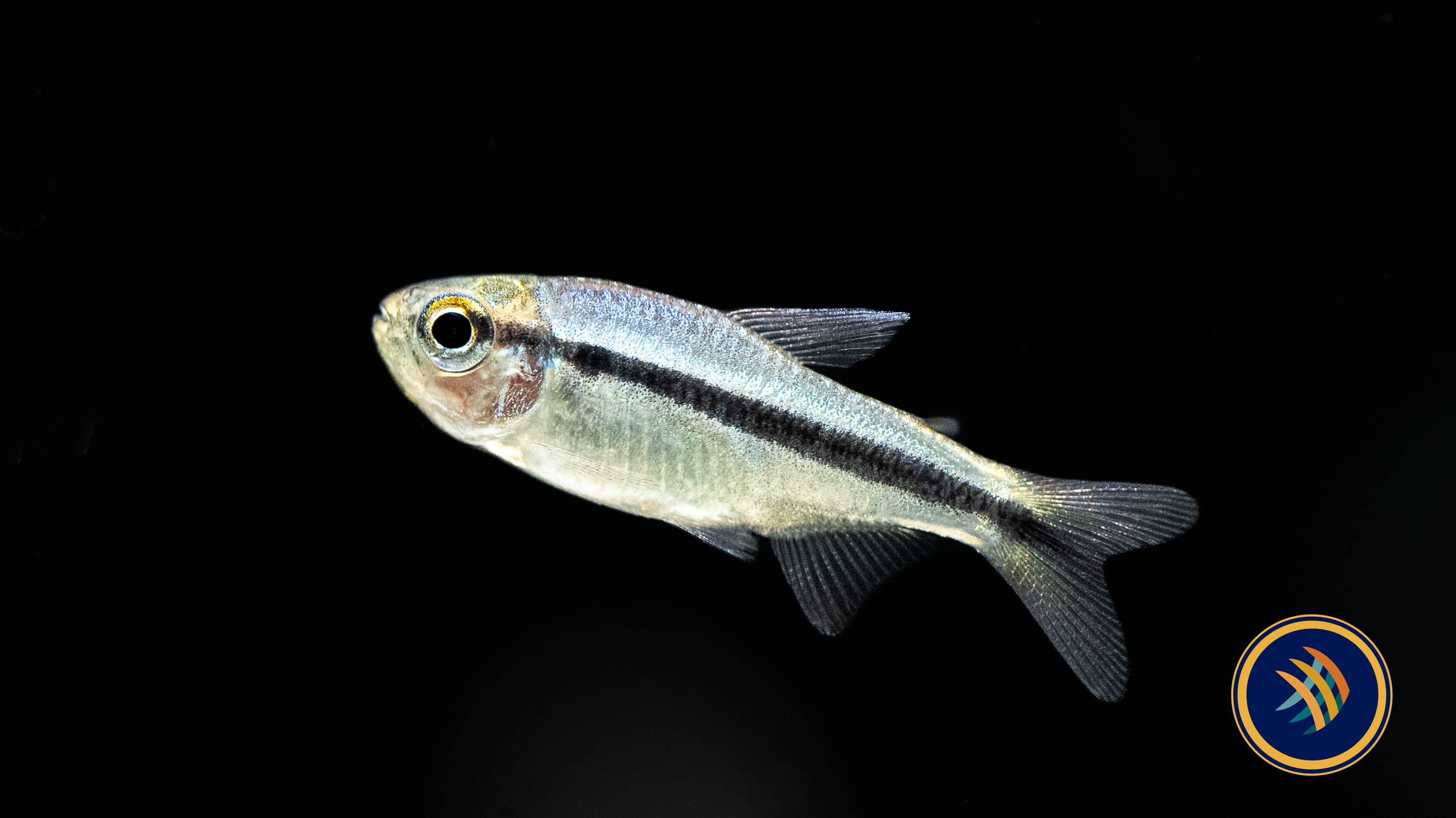
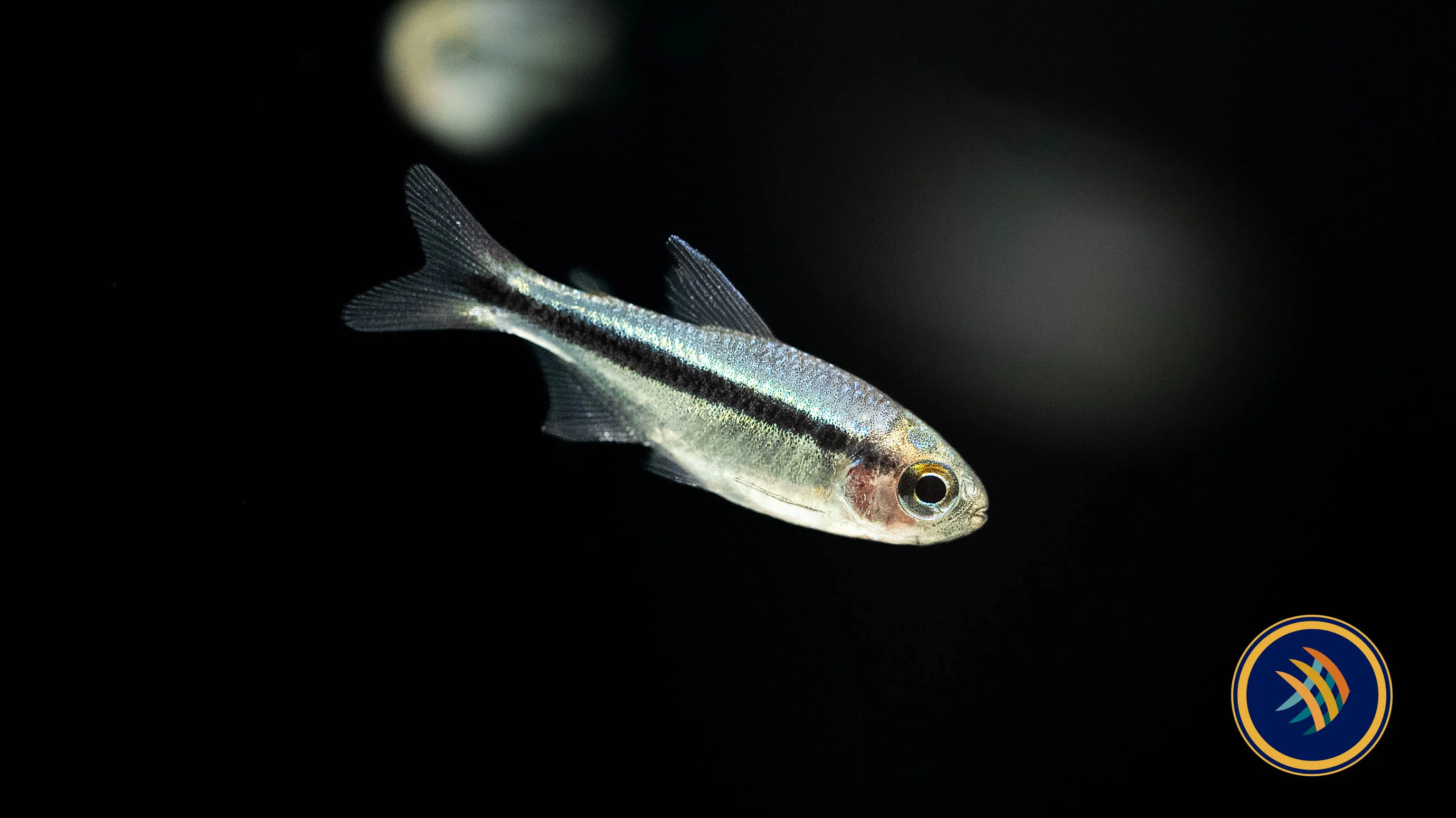
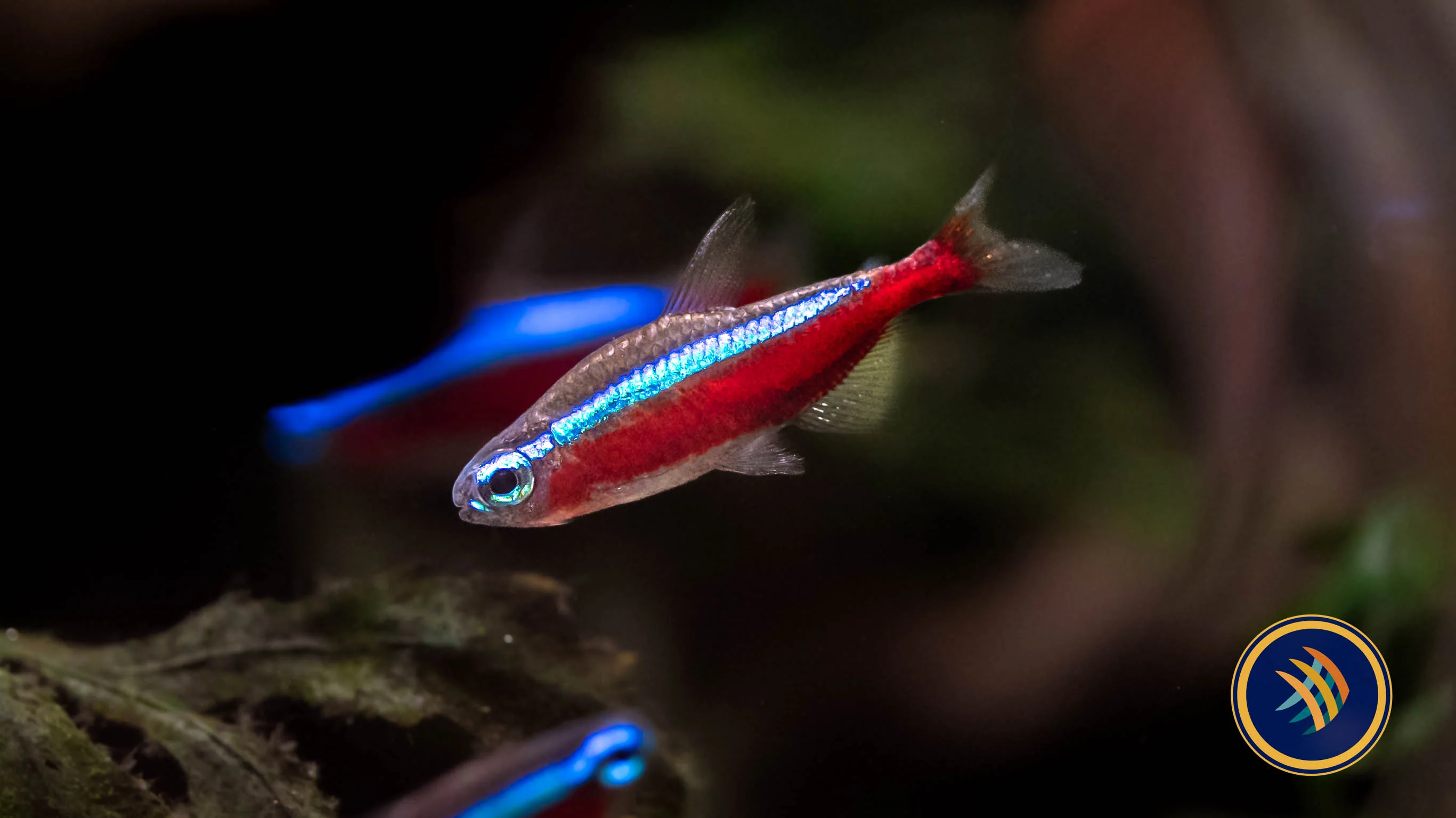
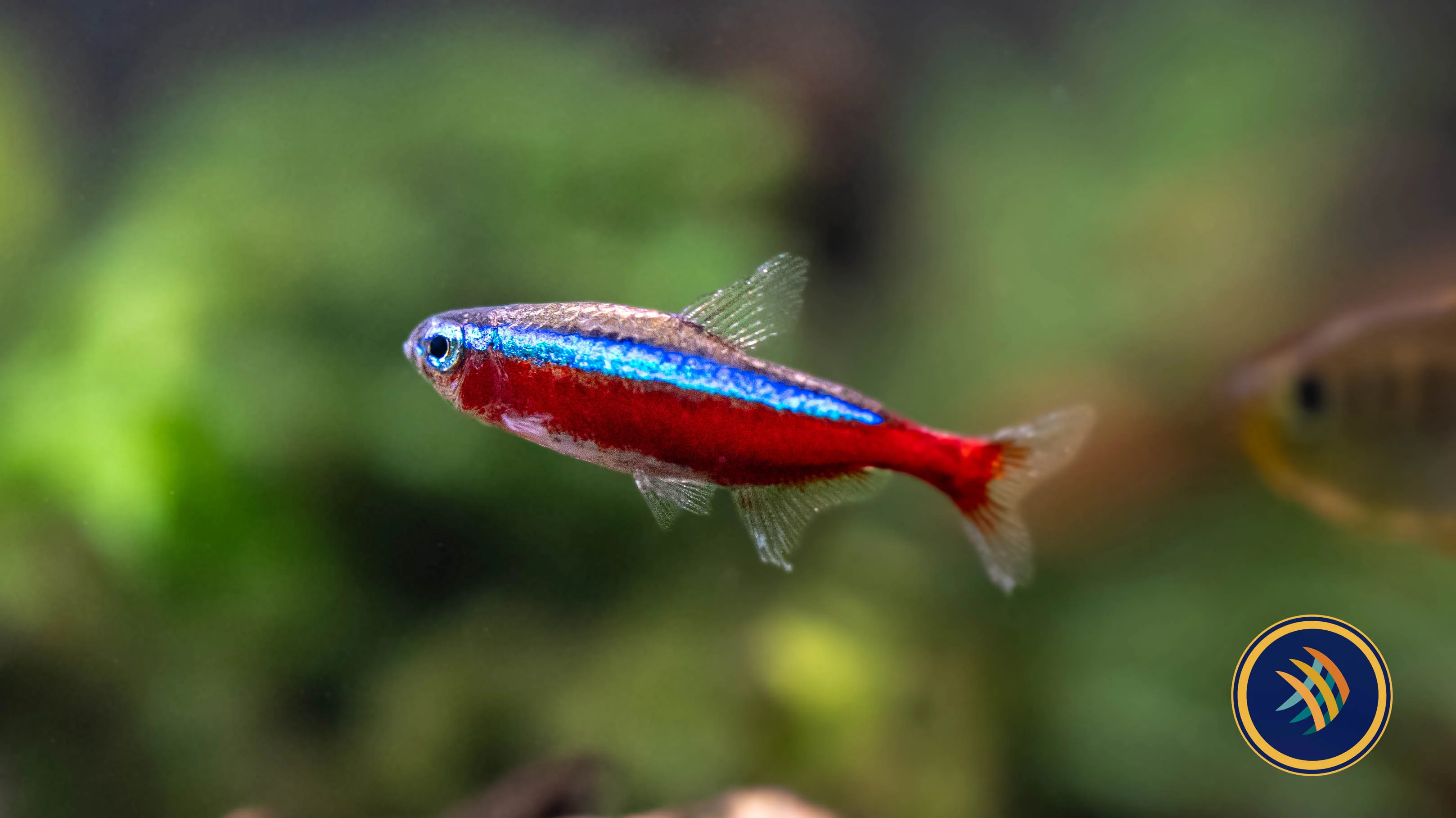
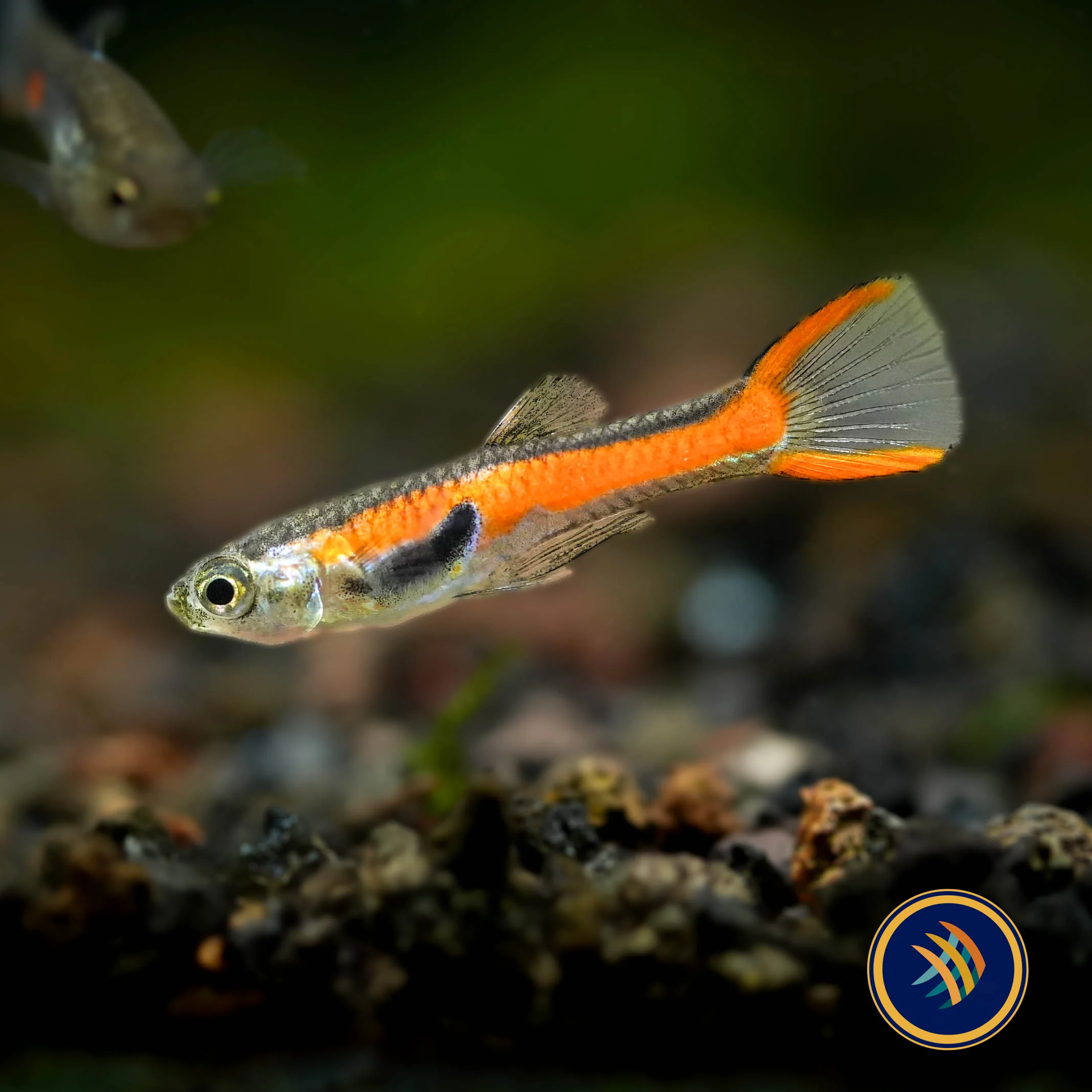
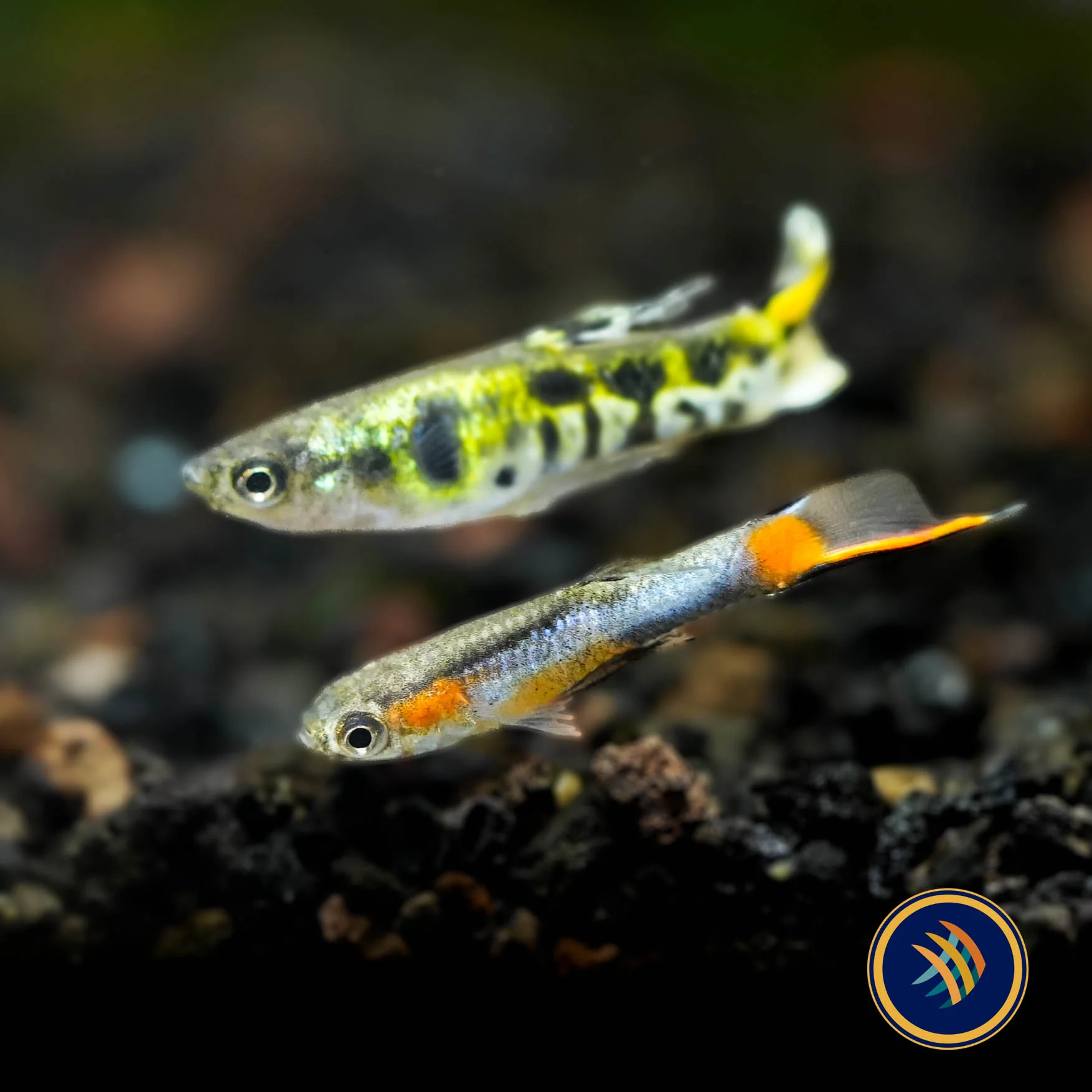
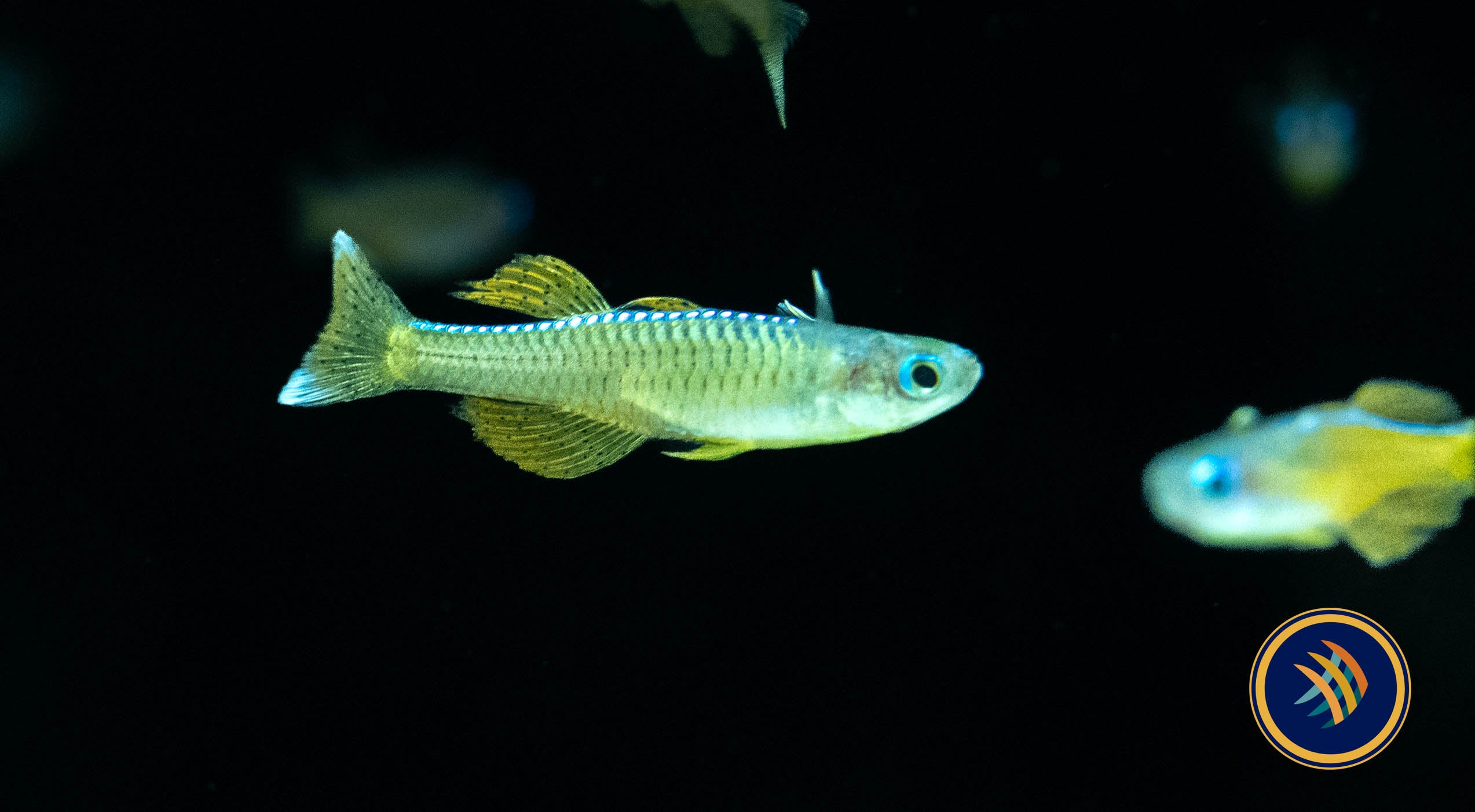
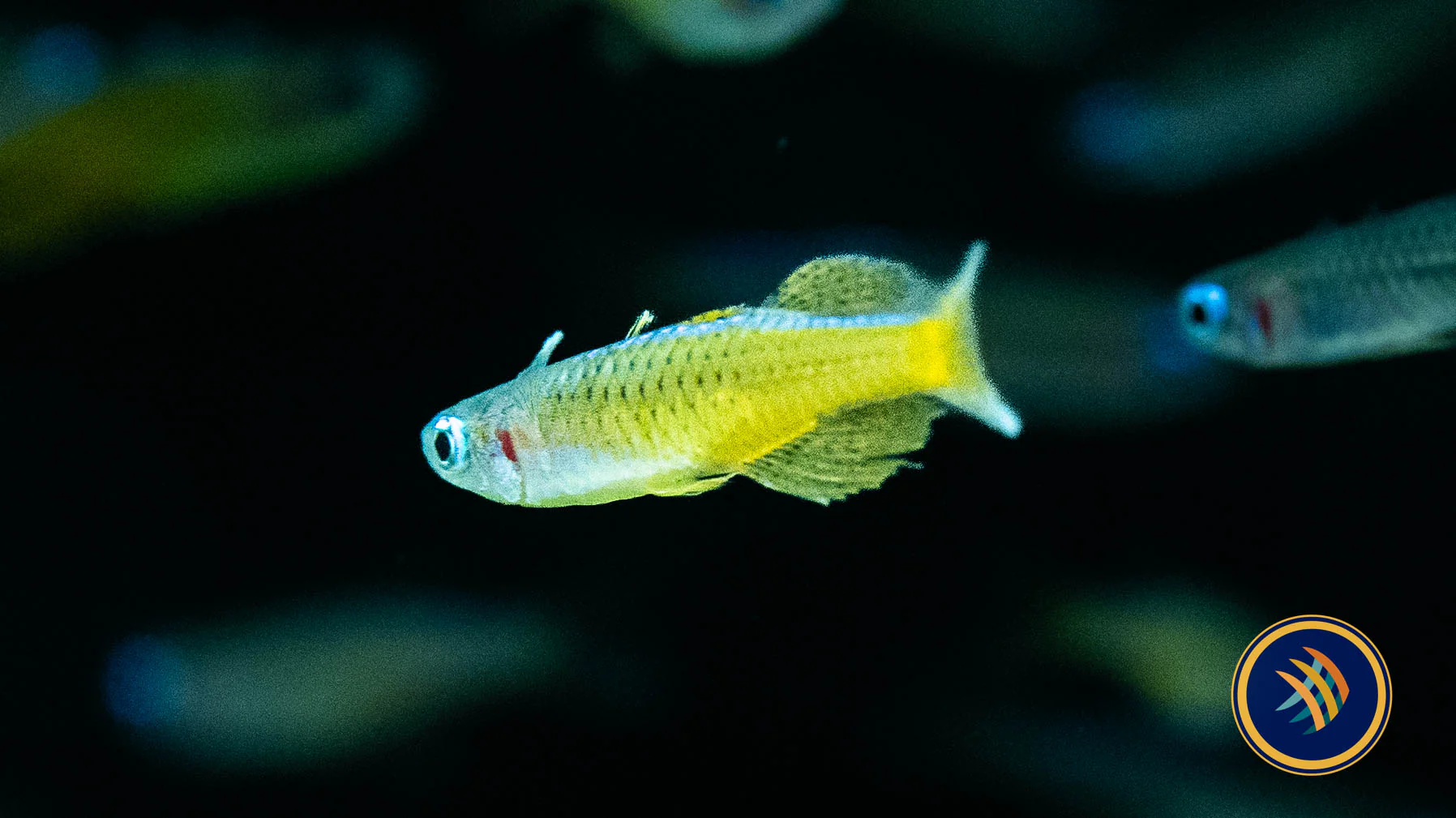
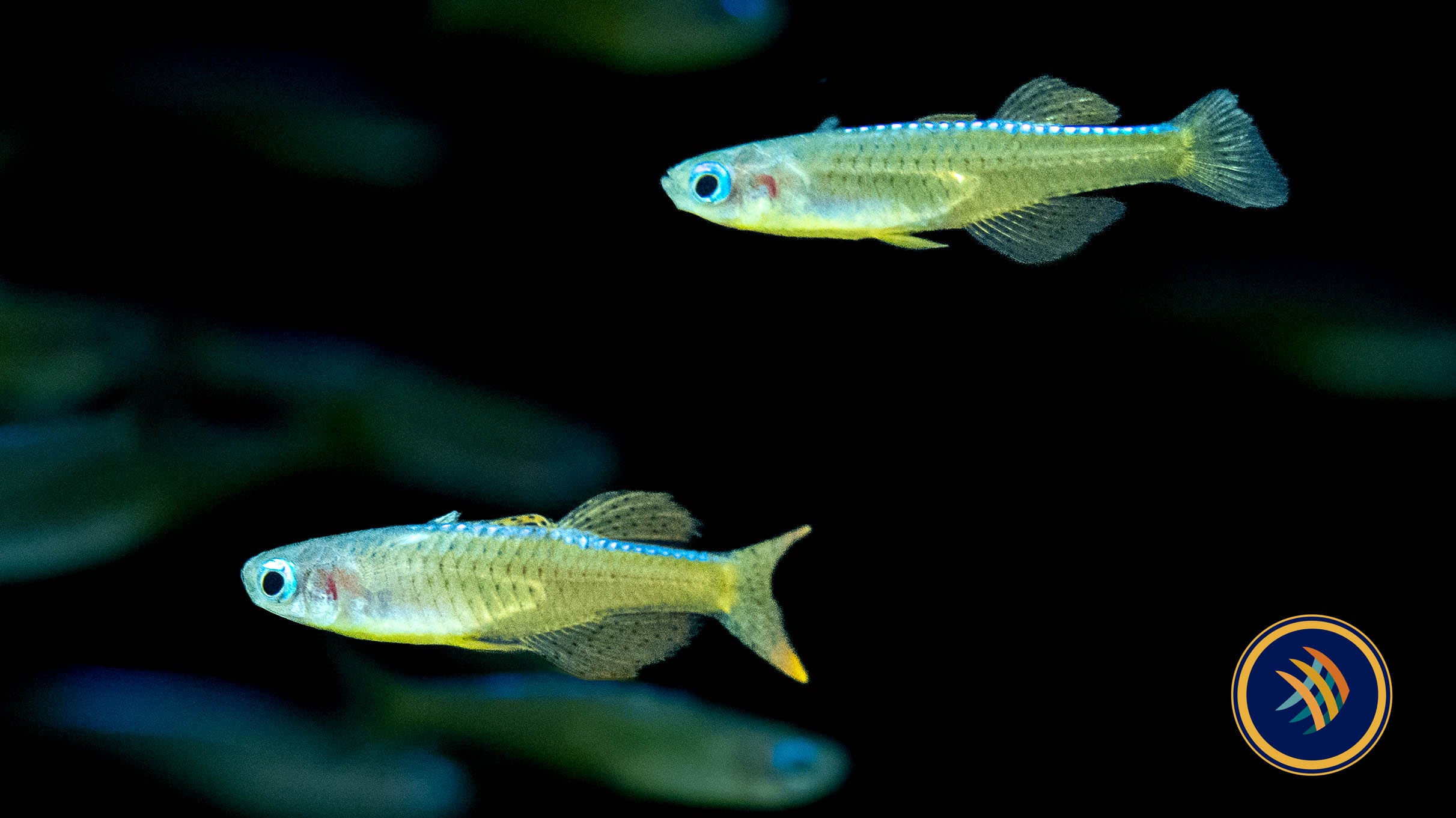
Red Neon Blue Eye Rainbowfish (Pseudomugil luminatus) is a dazzling nano fish native to Papua, Indonesia. Known for its vibrant red-orange body, iridescent blue stripe, and glowing blue eyes, it's a favorite among aquarists for planted tanks and nano setups.
Species Overview
- Scientific Name: Pseudomugil luminatus
- Common Names: Red Neon Blue Eye, Luminatus Rainbow
- Size: 1–1.5 inches (2.5–3.8 cm)
- Lifespan: Up to 2 years
- Temperament: Peaceful, social, active swimmers
- Difficulty: Beginner to intermediate
Tank Setup
- Minimum Tank Size: 15–20 gallons for a group
- Aquascape: Dense vegetation, floating plants, driftwood, leaf litter
- Lighting: Moderate to low (dark substrate and background enhance colors)
- Filtration: Gentle flow; sponge filters ideal for breeding tanks
- Tank Level: Mid to top swimmers
Water Parameters
- Temperature: 72–79°F (22–26°C)
- pH: 6.0–7.5
- Hardness: 5–15 dGH
- TDS: 36–215 ppm
- Water Quality: Stable and clean; weekly water changes are essential
Diet
- Type: Omnivorous
-
Staples:
- High-quality micro pellets or flakes
- Live/frozen foods: Daphnia, brine shrimp, microworms
- Occasional blanched vegetables (spinach, zucchini)
- Feeding Tip: Small mouths—use finely crushed or micro-sized food
Breeding
- Method: Egg scatterers; no parental care
-
Spawning Setup:
- Separate breeding tank with spawning mops or fine-leaved plants
- Slightly cooler water changes to trigger spawning
-
Egg Care:
- Remove adults post-spawning to prevent egg predation
- Eggs hatch in 7–10 days
- Feed fry infusoria or liquid fry food, then baby brine shrimp
Tankmates
-
Compatible With:
- Small peaceful fish: rasboras, tetras, danios
- Dwarf shrimp (e.g., Neocaridina), snails
- Bottom dwellers: Otocinclus, panda corydoras
- Avoid: Larger or aggressive fish that may intimidate or eat them
$2.50
Original: $7.13
-65%Red Neon Blue Eye Rainbow (Pseudomugil luminatus)—
$7.13
$2.50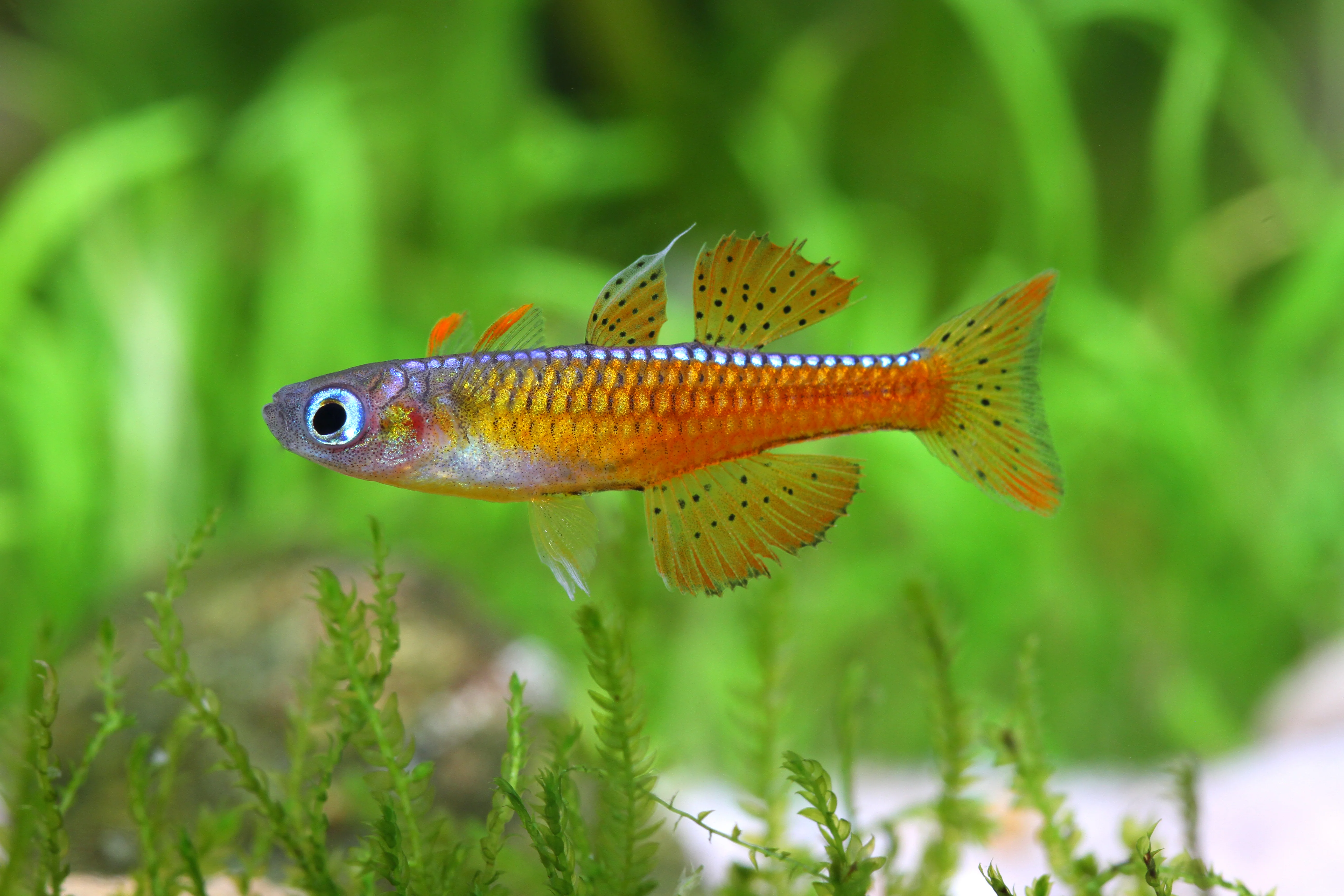
Description
Red Neon Blue Eye Rainbowfish (Pseudomugil luminatus) is a dazzling nano fish native to Papua, Indonesia. Known for its vibrant red-orange body, iridescent blue stripe, and glowing blue eyes, it's a favorite among aquarists for planted tanks and nano setups.
Species Overview
- Scientific Name: Pseudomugil luminatus
- Common Names: Red Neon Blue Eye, Luminatus Rainbow
- Size: 1–1.5 inches (2.5–3.8 cm)
- Lifespan: Up to 2 years
- Temperament: Peaceful, social, active swimmers
- Difficulty: Beginner to intermediate
Tank Setup
- Minimum Tank Size: 15–20 gallons for a group
- Aquascape: Dense vegetation, floating plants, driftwood, leaf litter
- Lighting: Moderate to low (dark substrate and background enhance colors)
- Filtration: Gentle flow; sponge filters ideal for breeding tanks
- Tank Level: Mid to top swimmers
Water Parameters
- Temperature: 72–79°F (22–26°C)
- pH: 6.0–7.5
- Hardness: 5–15 dGH
- TDS: 36–215 ppm
- Water Quality: Stable and clean; weekly water changes are essential
Diet
- Type: Omnivorous
-
Staples:
- High-quality micro pellets or flakes
- Live/frozen foods: Daphnia, brine shrimp, microworms
- Occasional blanched vegetables (spinach, zucchini)
- Feeding Tip: Small mouths—use finely crushed or micro-sized food
Breeding
- Method: Egg scatterers; no parental care
-
Spawning Setup:
- Separate breeding tank with spawning mops or fine-leaved plants
- Slightly cooler water changes to trigger spawning
-
Egg Care:
- Remove adults post-spawning to prevent egg predation
- Eggs hatch in 7–10 days
- Feed fry infusoria or liquid fry food, then baby brine shrimp
Tankmates
-
Compatible With:
- Small peaceful fish: rasboras, tetras, danios
- Dwarf shrimp (e.g., Neocaridina), snails
- Bottom dwellers: Otocinclus, panda corydoras
- Avoid: Larger or aggressive fish that may intimidate or eat them