🚚 Free Worldwide Shipping on All Orders!Shop Now
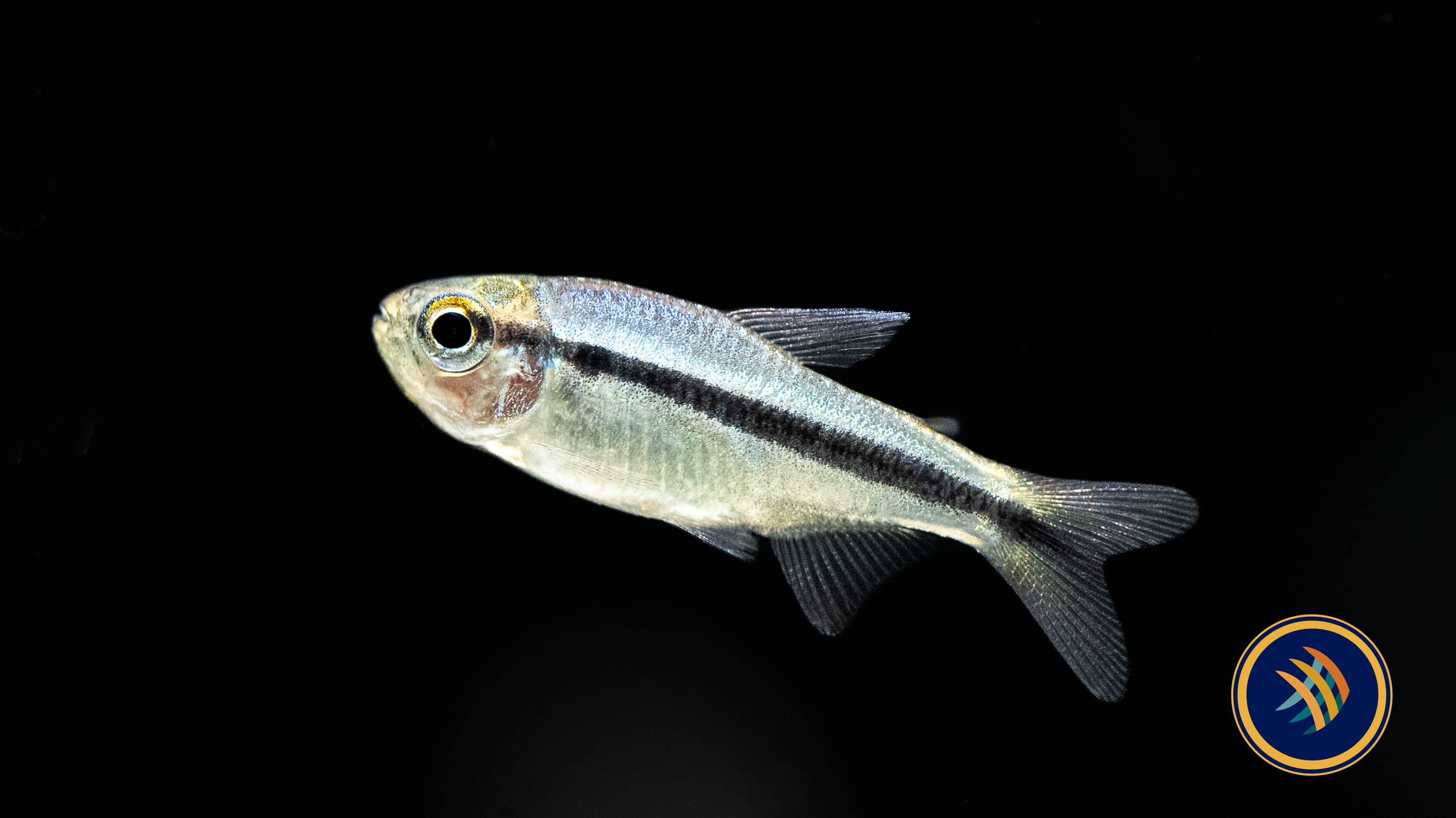
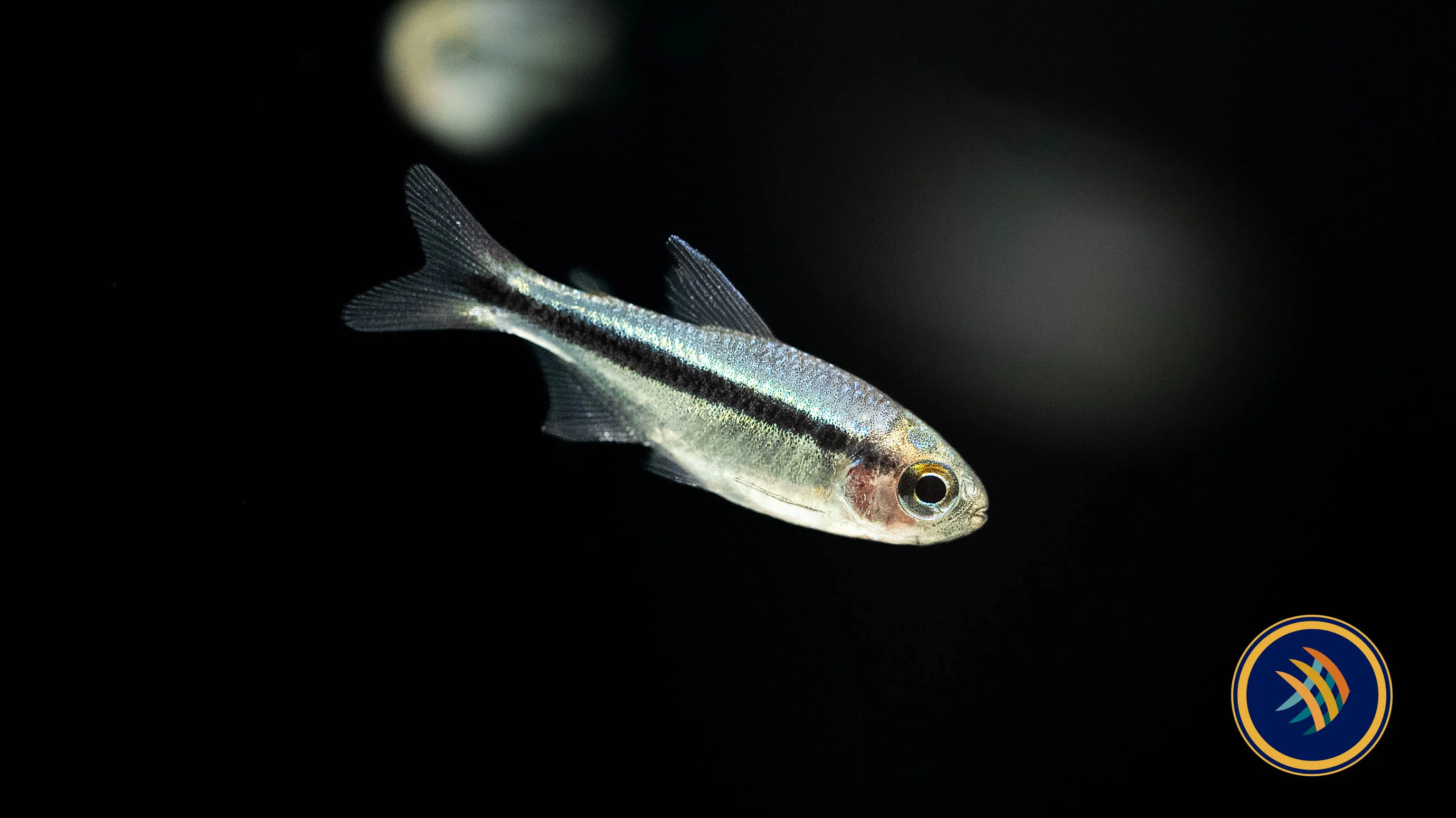
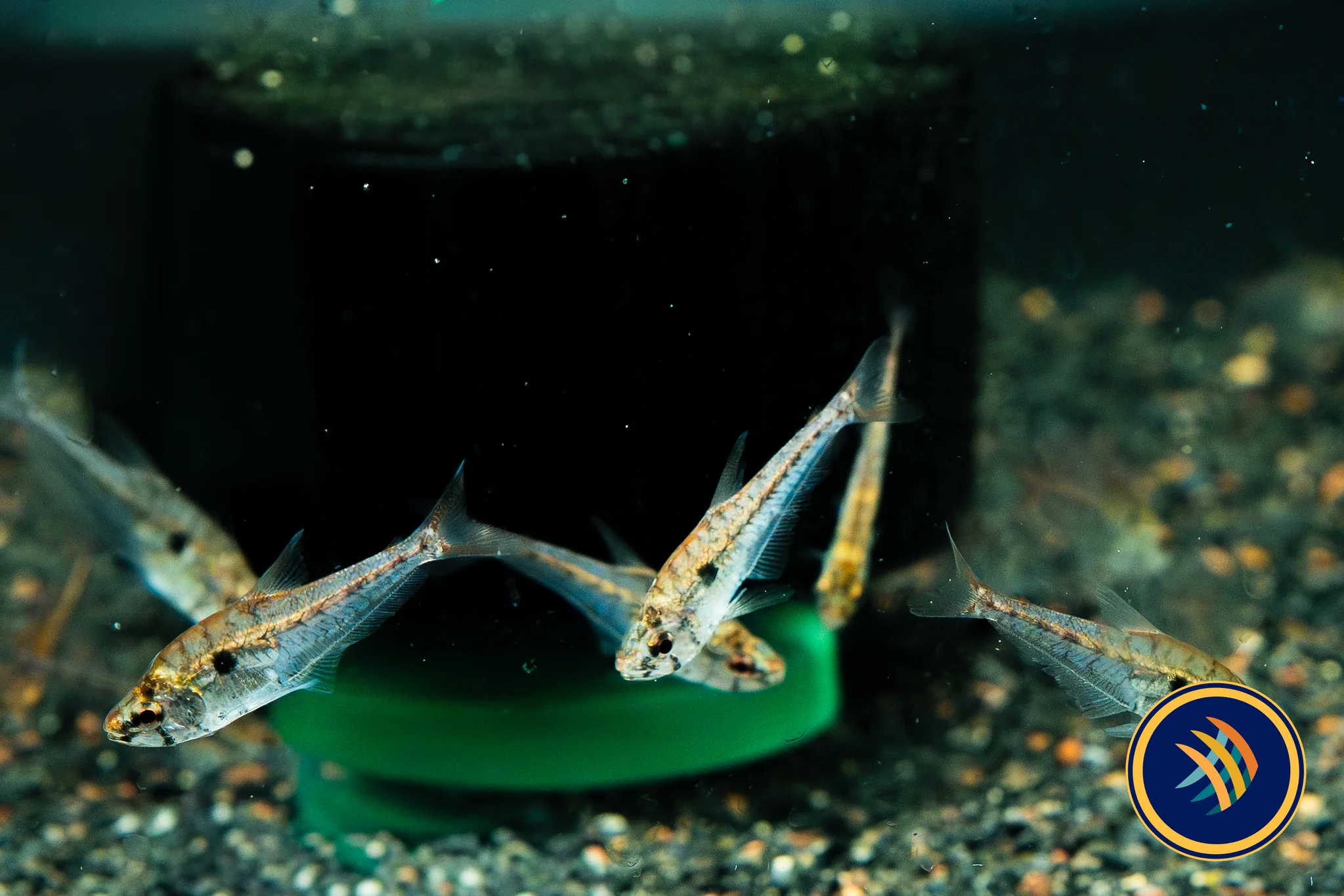
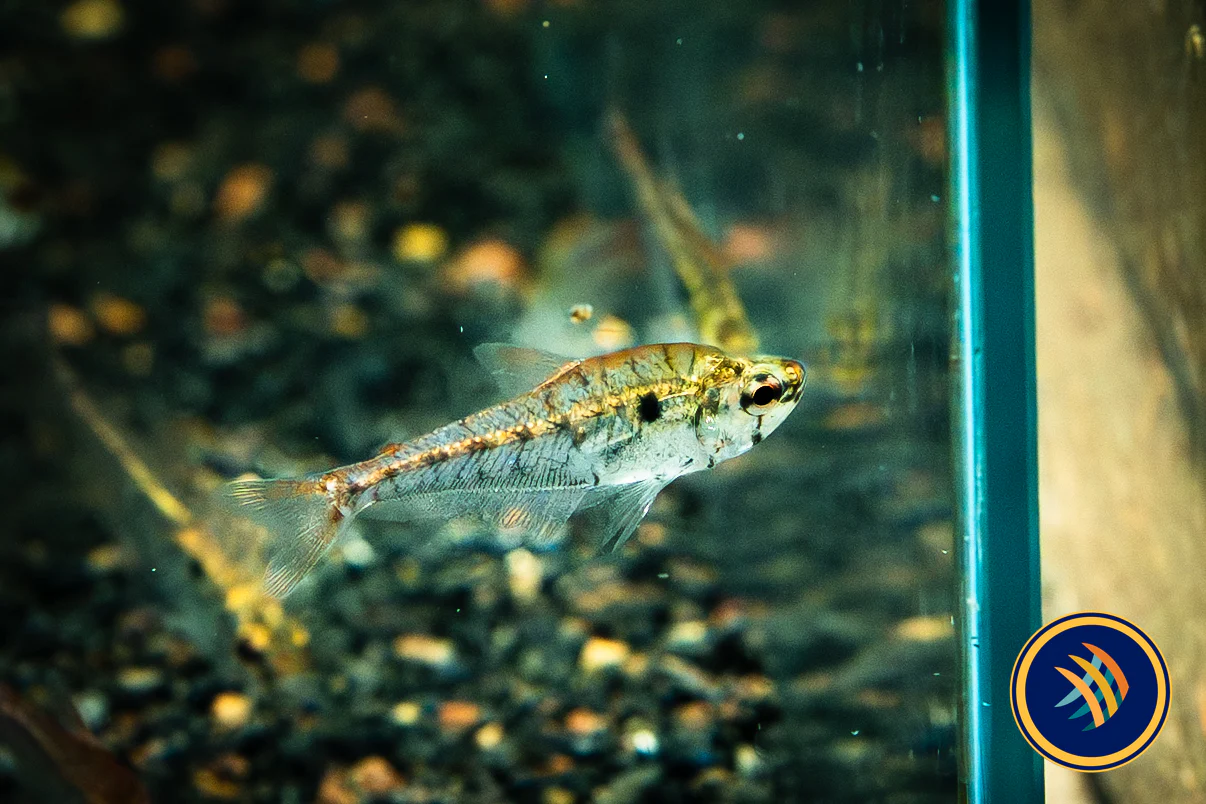
Neon Stripe Lampeye (poropanchax macrophthalmus) 2.5cm
poropanchax macrophthalmus
- Family: Procatopodidae (African lampeyes)
- Common names: neon stripe lampeye
- Size: ~3–4 cm (1.2–1.6 in)
- Origin: West Africa (Nigeria, Benin, Cameroon region)
- Lifespan: ~3–5 years with good care
Natural Habitat
- Slow-moving streams and rivers with vegetation
- Clean, well-oxygenated water
- Often found in shallow, plant-heavy areas
Appearance
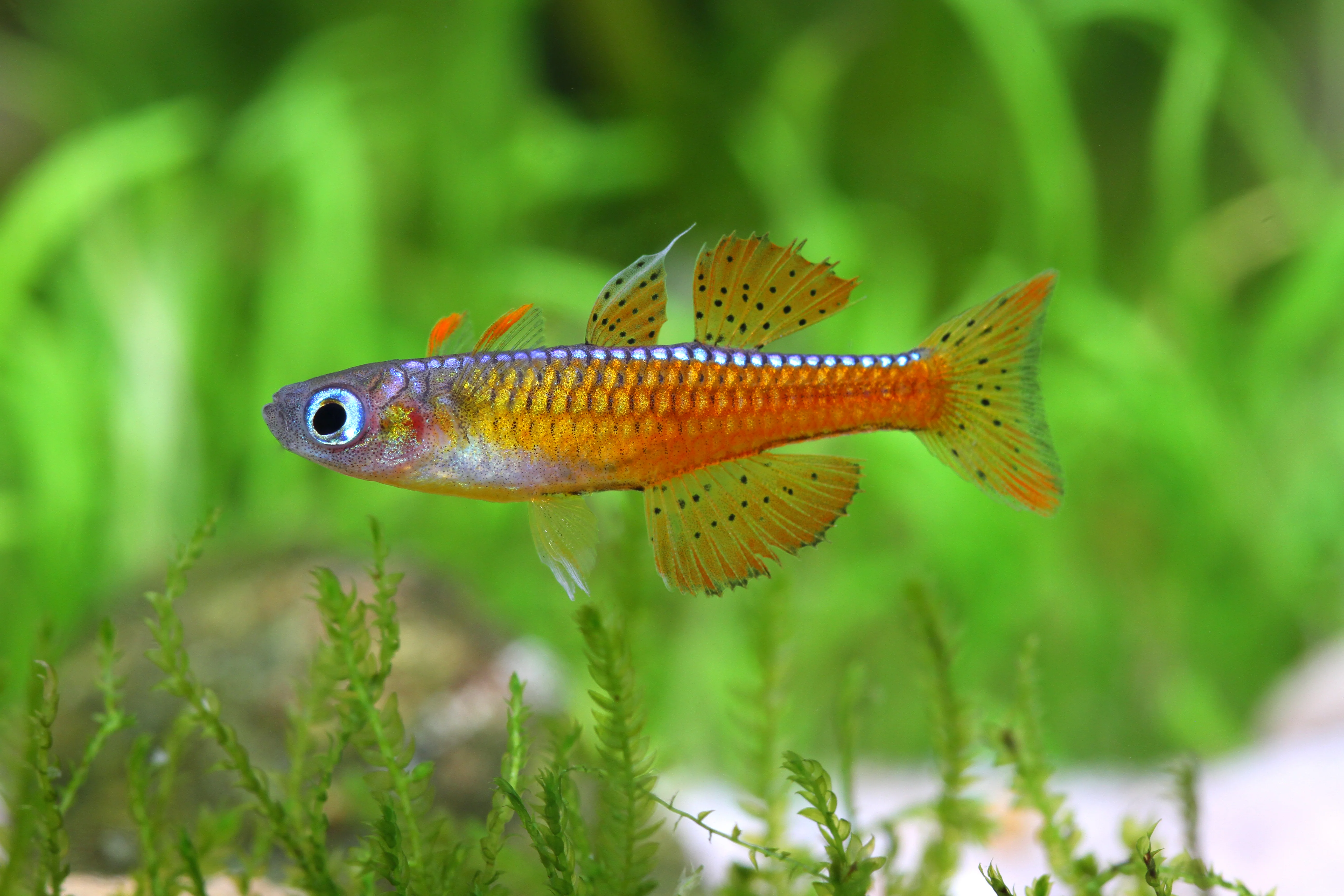
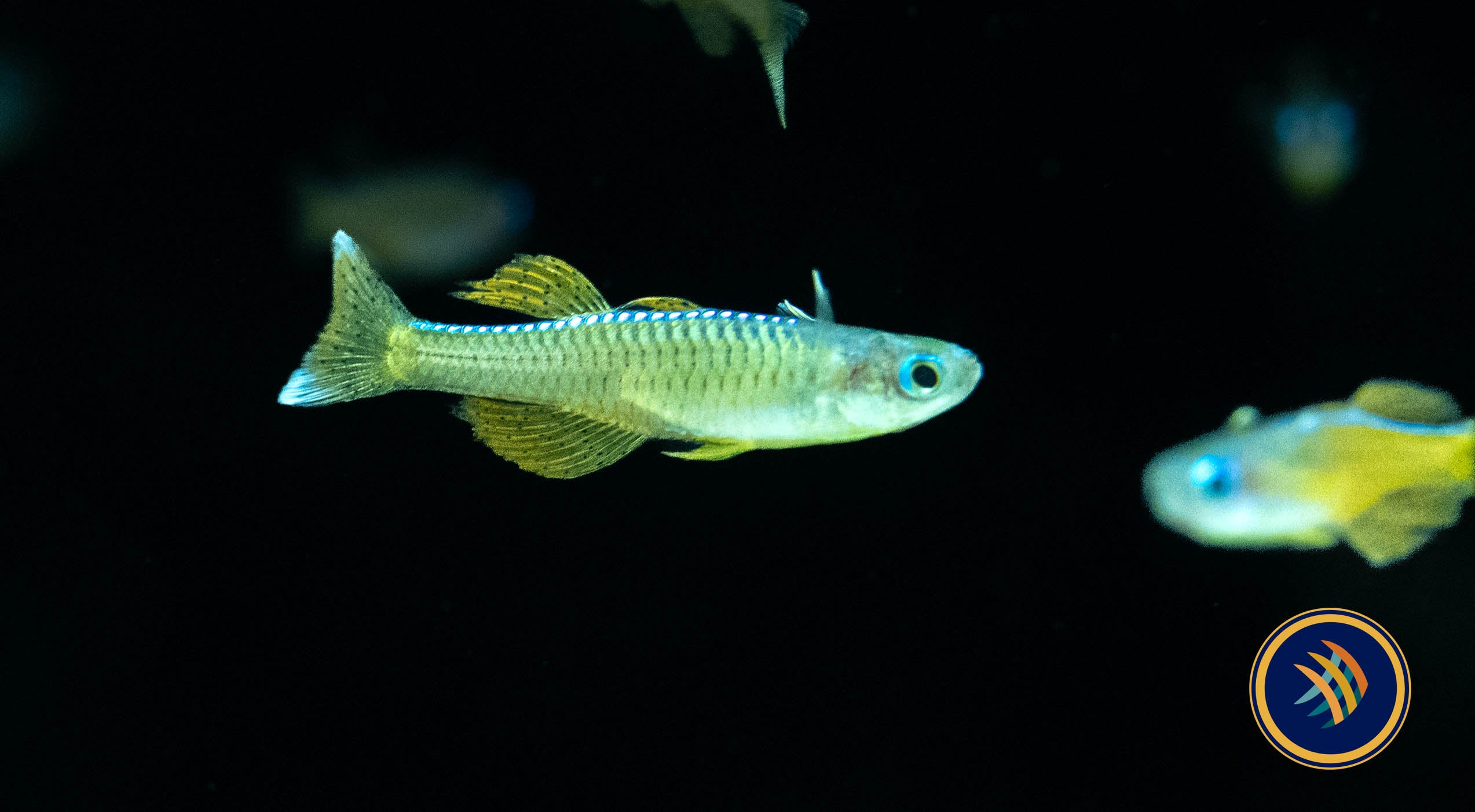
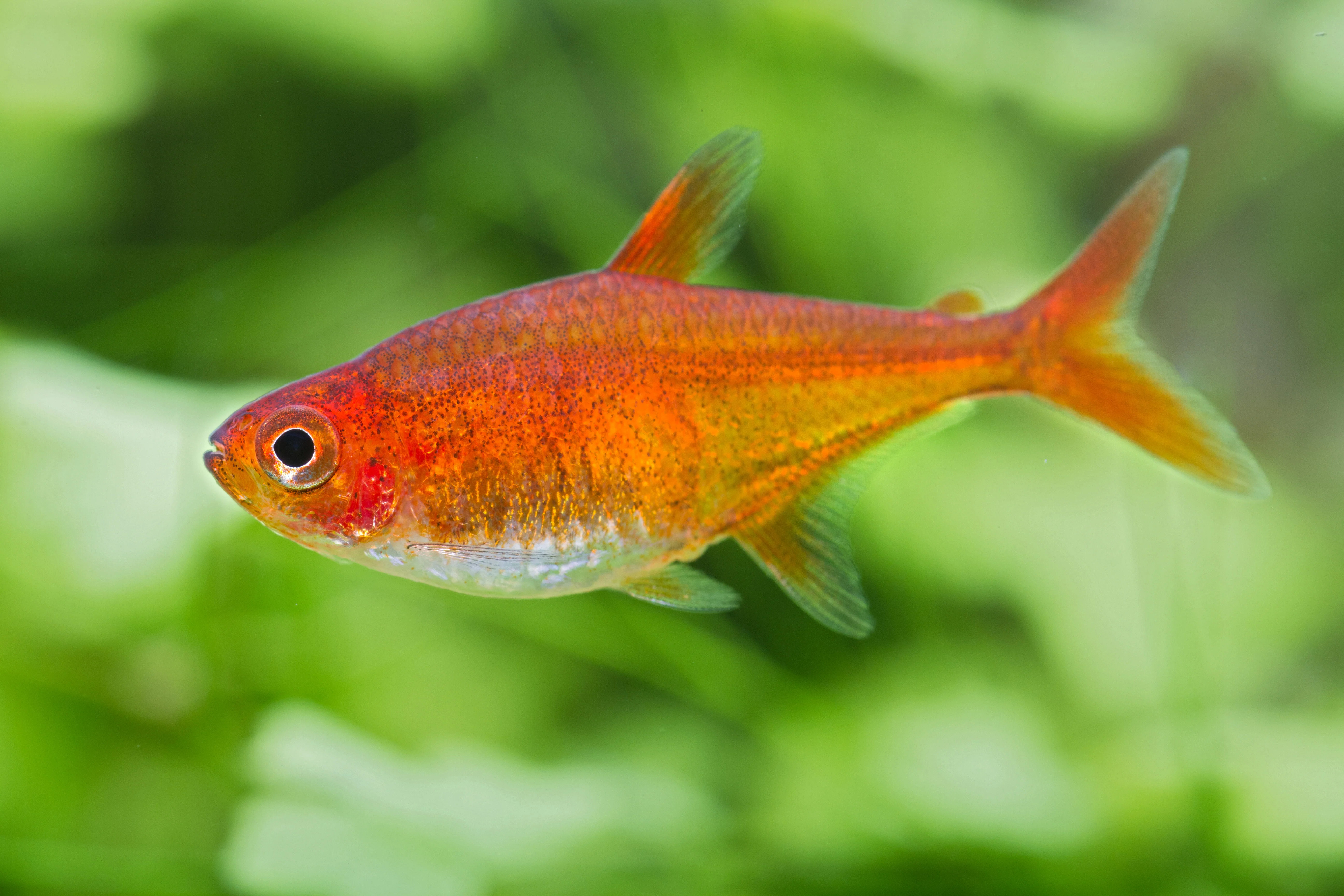
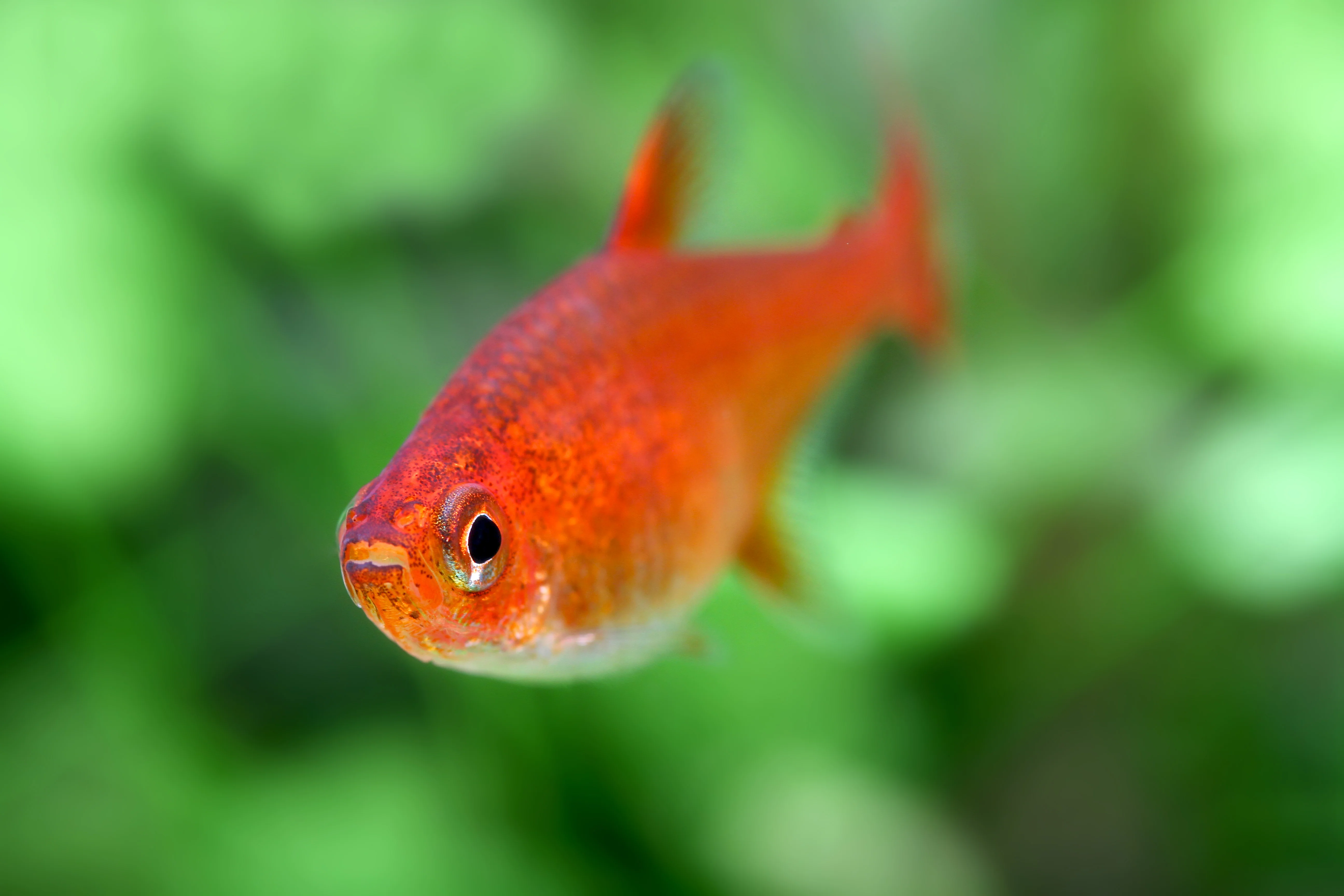
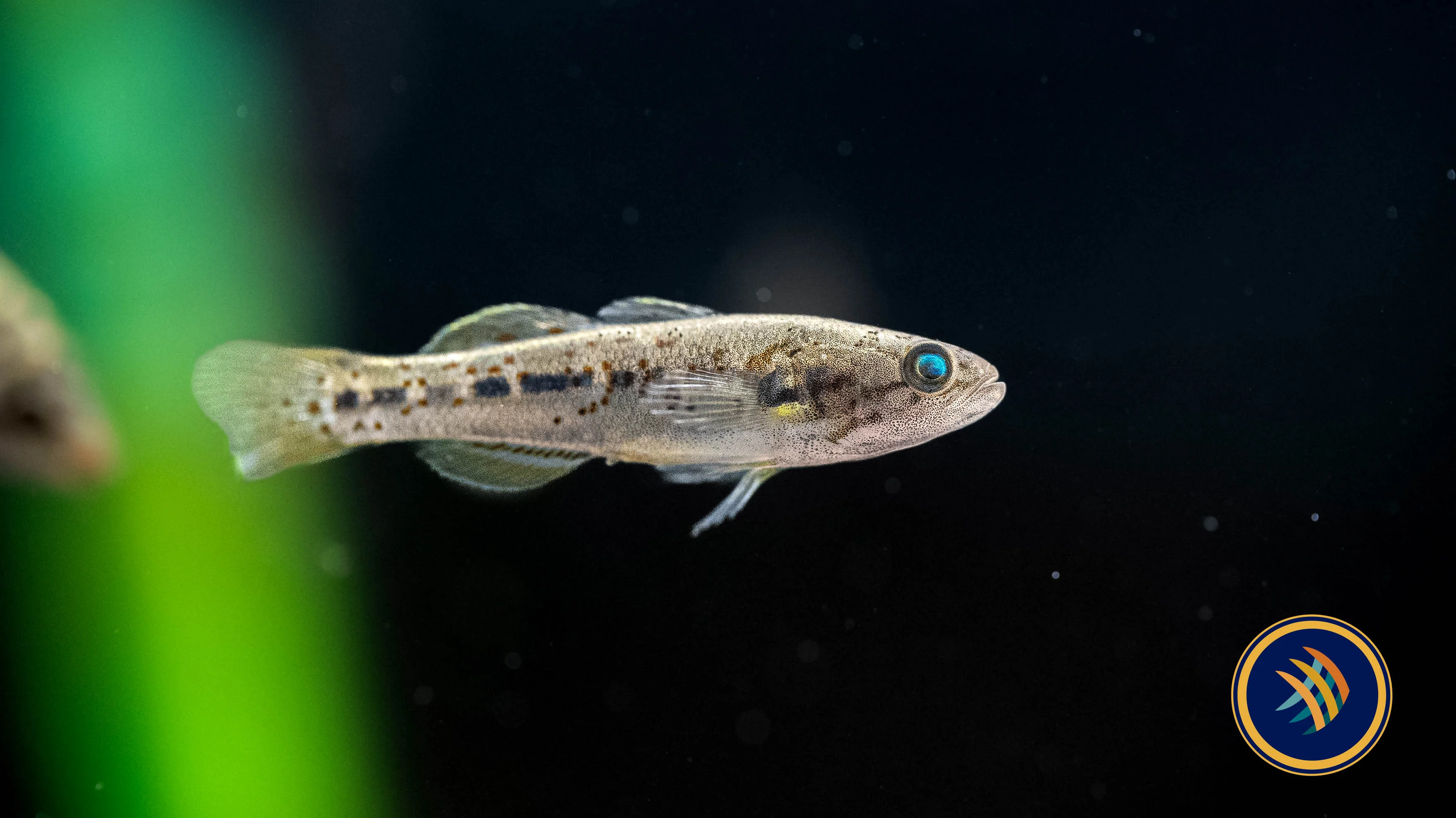
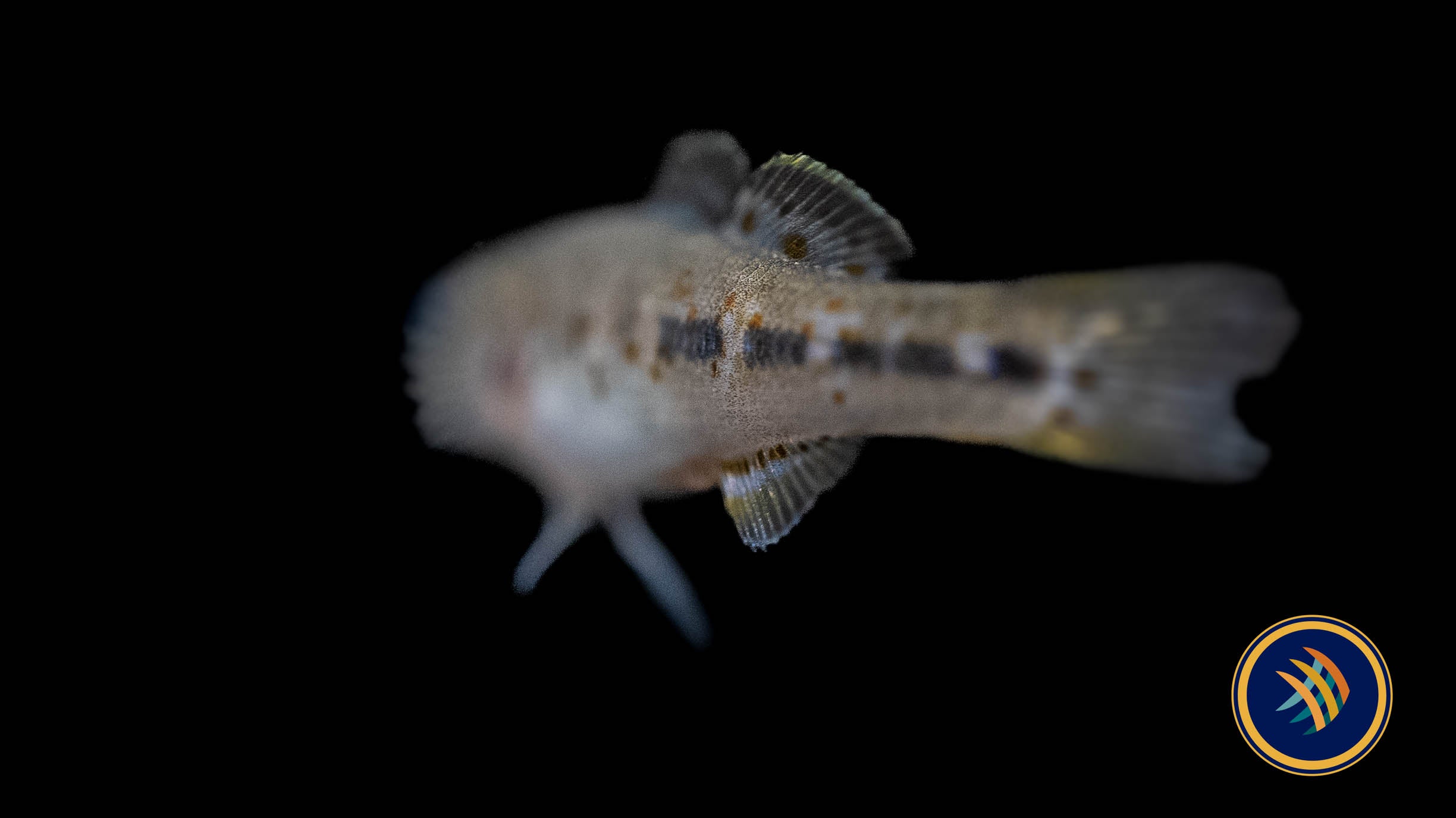
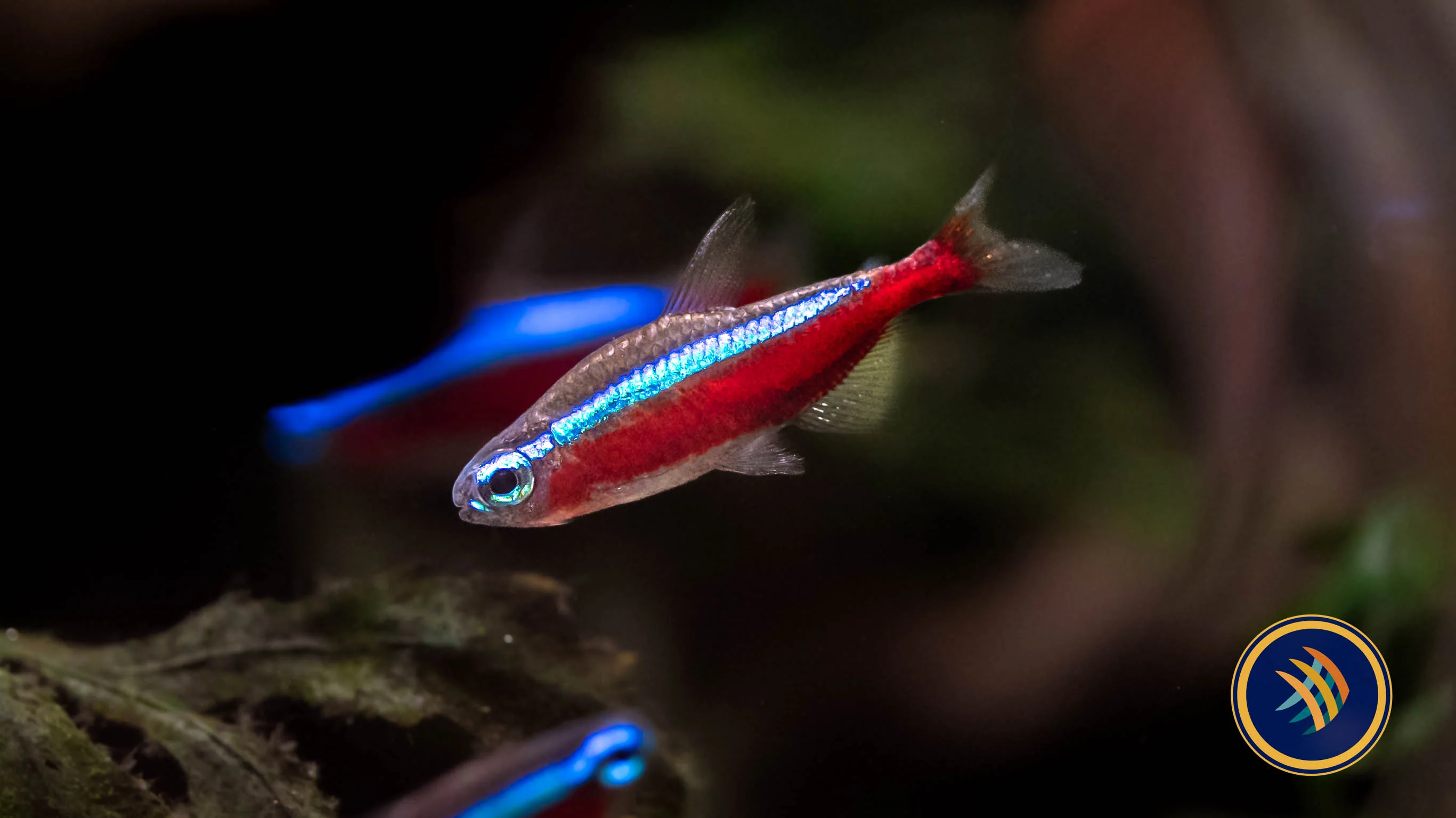
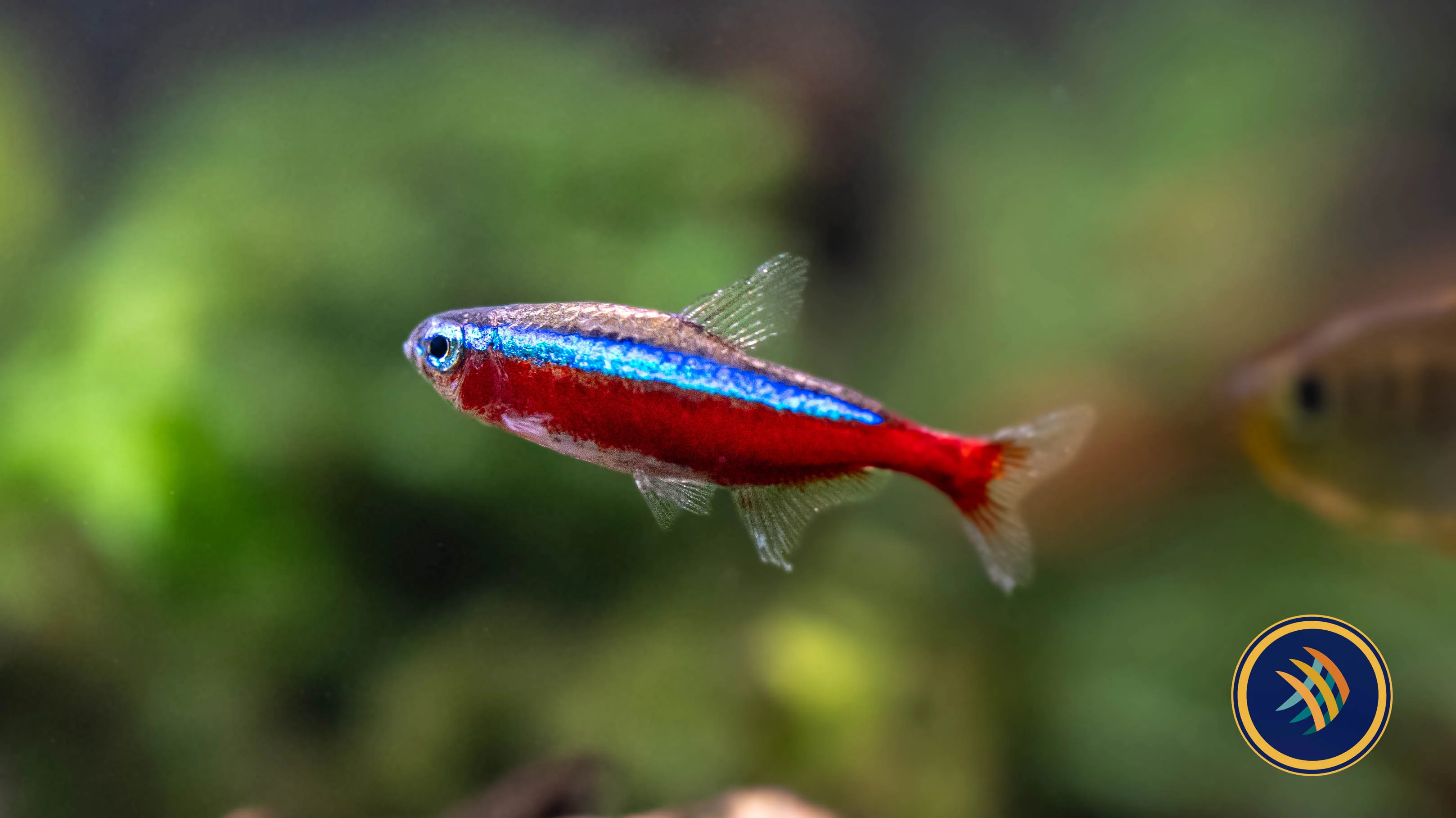
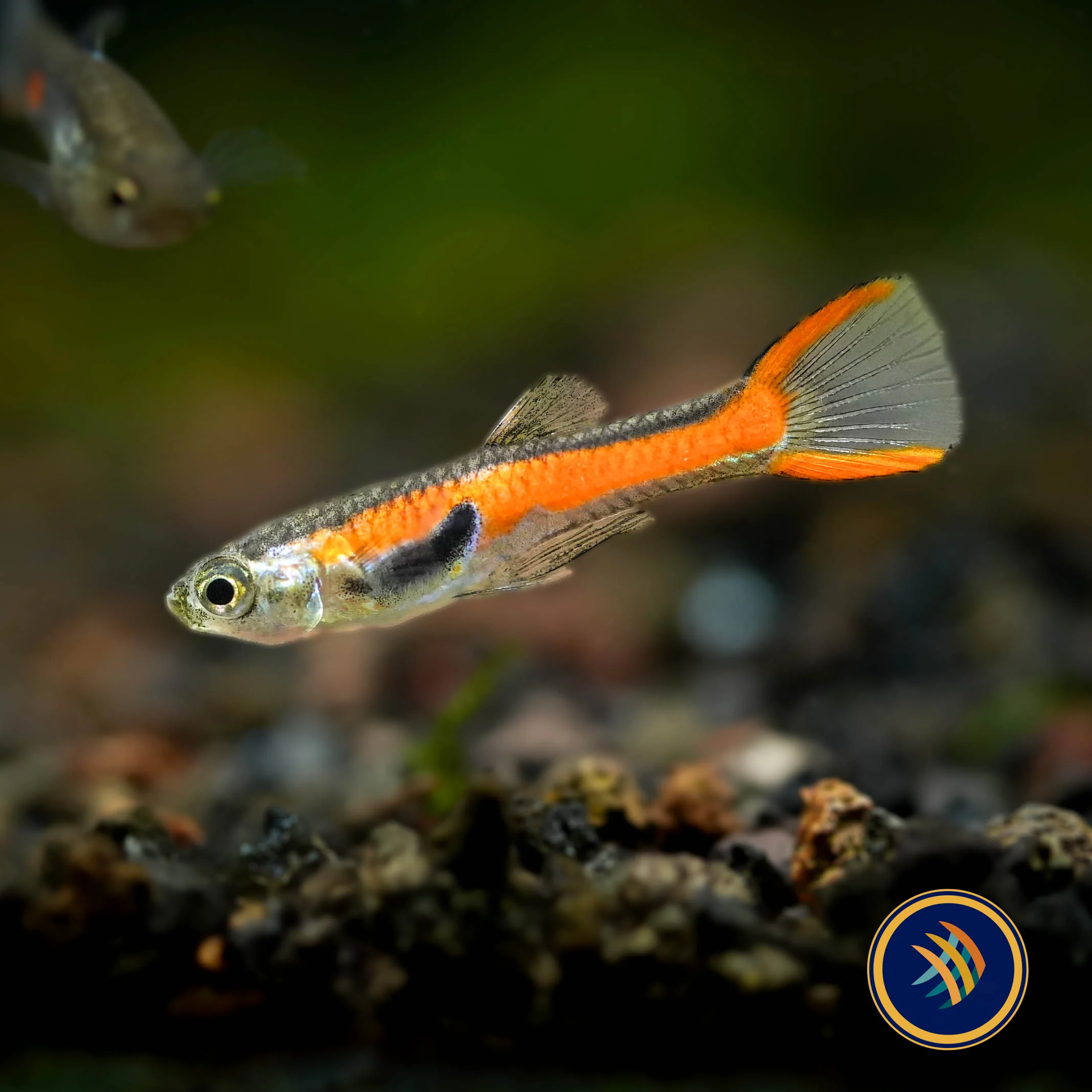
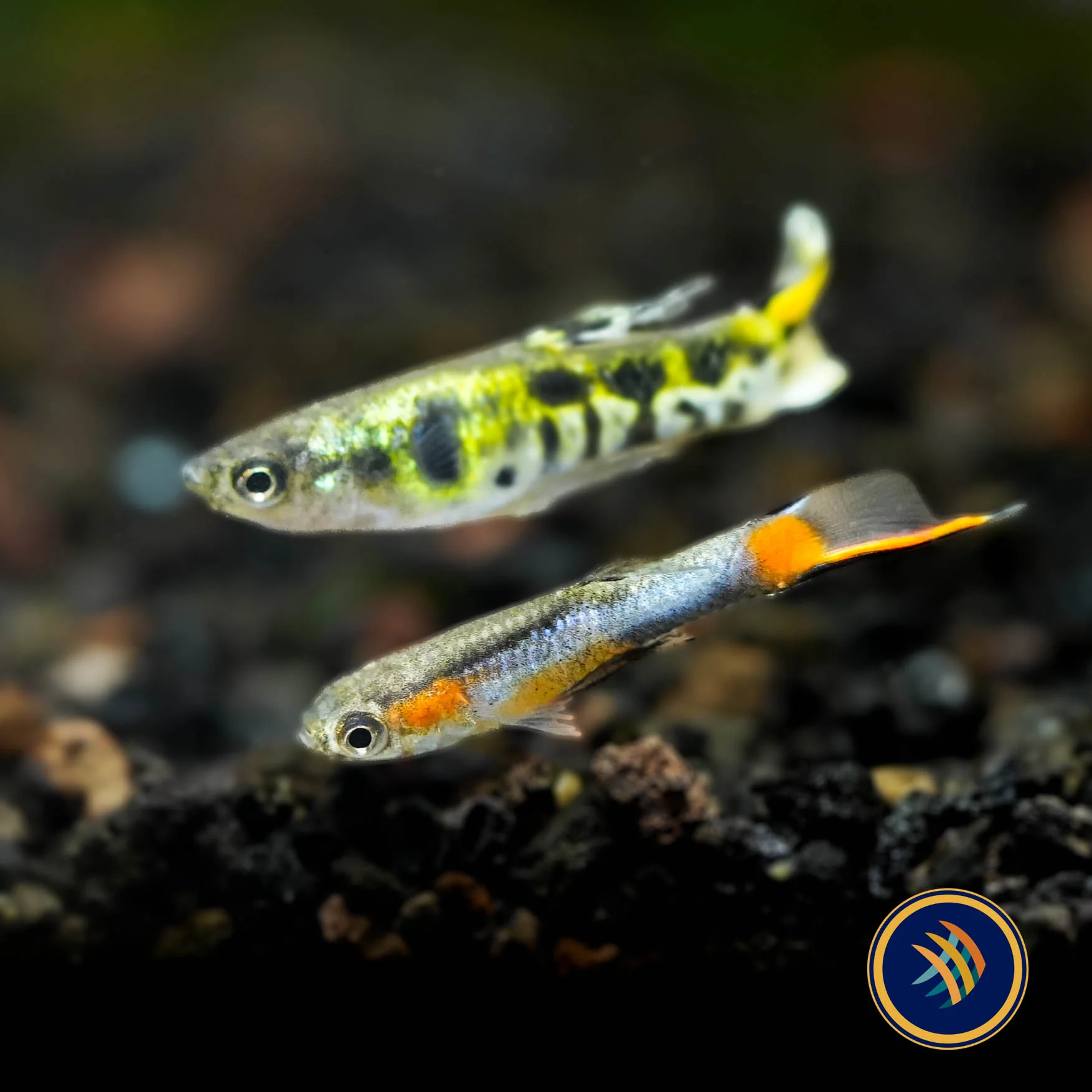
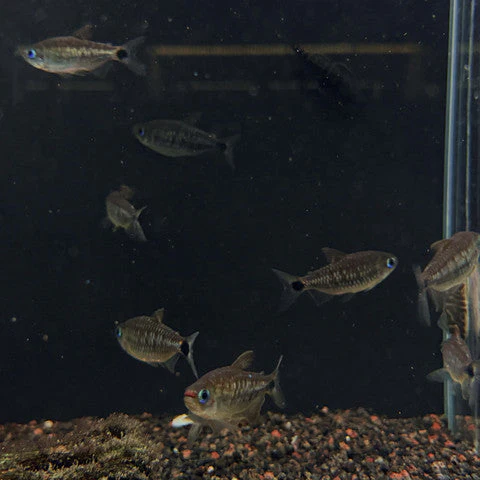
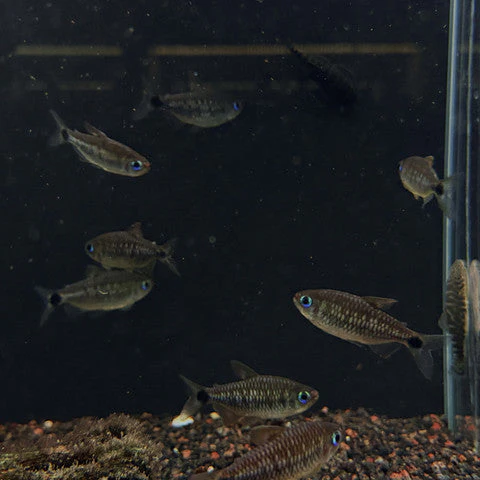
- Slender, semi-transparent body
- Iridescent blue/green horizontal striping
- Distinctive “lampeye” effect — reflective bright blue spot on the eye
- Males are more colorful with red/blue highlights
Behavior
- Peaceful schooling fish
- Best kept in groups of 6+ (ideally 10+)
- Occupies upper/mid water column
- Can be shy if kept in small numbers
Aquarium Care
Tank Setup
- Minimum: ~10–20 gallons (bigger for schools)
- Dense planting + open swimming area
- Dark substrate helps bring out colors
- Tight lid, they can jump
Water Parameters
- Temperature: 22–28 °C (72–82 °F)
- pH: ~6.0–7.5 (tolerant up to ~8)
- Hardness: Soft to moderate
- Sensitive to ammonia/nitrite → stable tanks only
Feeding
- Small live or frozen foods:
- Daphnia
- Cyclops
- Baby brine shrimp
- Will accept crushed flake/micro pellets
Tank Mates
Good with:
- Small rasboras
- dwarf tetras
- peaceful bottom dwellers (Corydoras, small loaches)
Avoid:
- Large or aggressive fish
- fin-nippers
Breeding
- Egg scatterer
- Deposits eggs on plants/mops
- Fry hatch in a few days and need infusoria/baby brine shrimp
----------------------------------------------------------------------------------------------------
- Tiny, peaceful schooling nano fish
- Best in planted, stable aquariums
- Stunning “glowing eye” effect under good lighting
- Great for aquascapes or nano community setups
$6.77
Neon Stripe Lampeye (poropanchax macrophthalmus) 2.5cm—
$6.77



Description
poropanchax macrophthalmus
- Family: Procatopodidae (African lampeyes)
- Common names: neon stripe lampeye
- Size: ~3–4 cm (1.2–1.6 in)
- Origin: West Africa (Nigeria, Benin, Cameroon region)
- Lifespan: ~3–5 years with good care
Natural Habitat
- Slow-moving streams and rivers with vegetation
- Clean, well-oxygenated water
- Often found in shallow, plant-heavy areas
Appearance
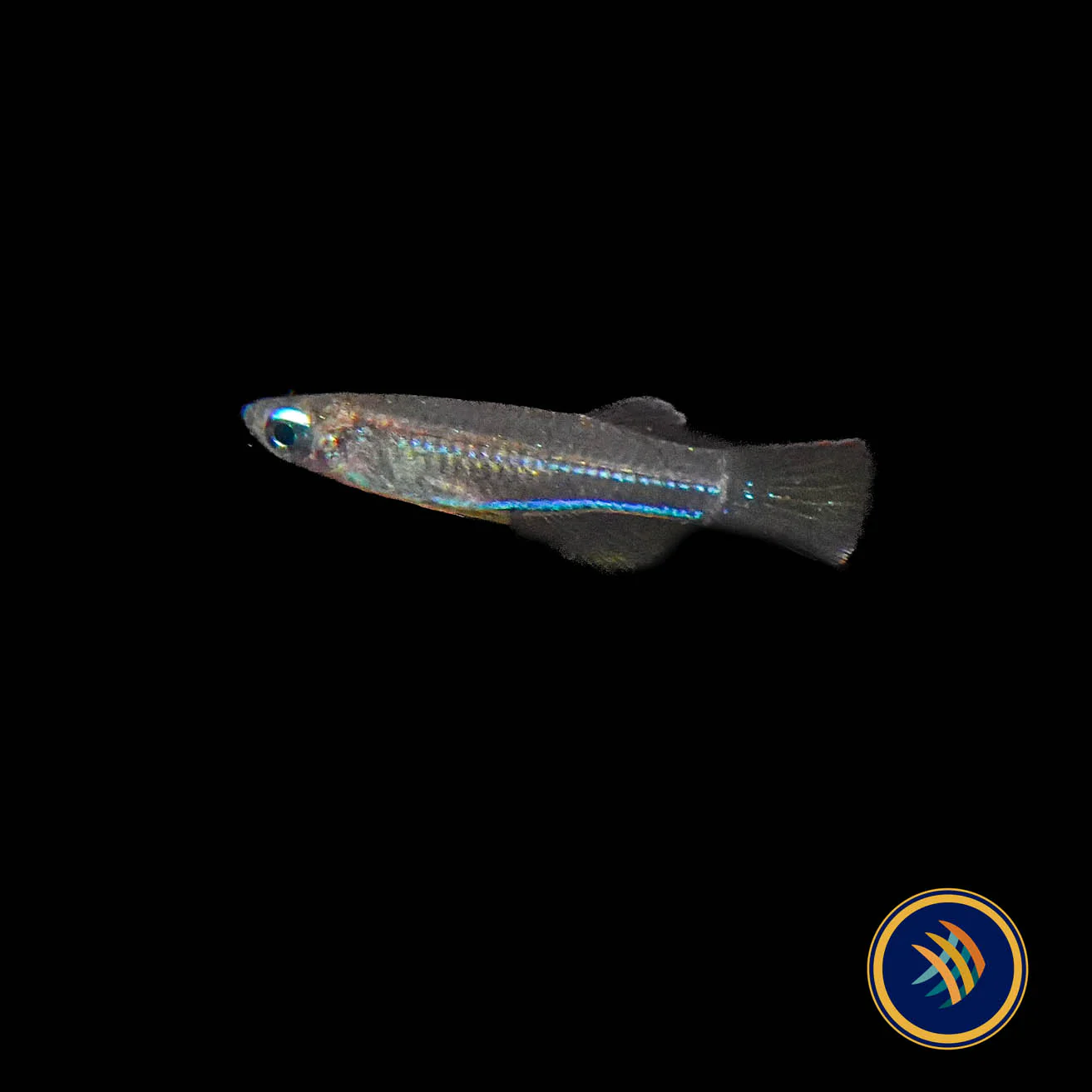
- Slender, semi-transparent body
- Iridescent blue/green horizontal striping
- Distinctive “lampeye” effect — reflective bright blue spot on the eye
- Males are more colorful with red/blue highlights
Behavior
- Peaceful schooling fish
- Best kept in groups of 6+ (ideally 10+)
- Occupies upper/mid water column
- Can be shy if kept in small numbers
Aquarium Care
Tank Setup
- Minimum: ~10–20 gallons (bigger for schools)
- Dense planting + open swimming area
- Dark substrate helps bring out colors
- Tight lid, they can jump
Water Parameters
- Temperature: 22–28 °C (72–82 °F)
- pH: ~6.0–7.5 (tolerant up to ~8)
- Hardness: Soft to moderate
- Sensitive to ammonia/nitrite → stable tanks only
Feeding
- Small live or frozen foods:
- Daphnia
- Cyclops
- Baby brine shrimp
- Will accept crushed flake/micro pellets
Tank Mates
Good with:
- Small rasboras
- dwarf tetras
- peaceful bottom dwellers (Corydoras, small loaches)
Avoid:
- Large or aggressive fish
- fin-nippers
Breeding
- Egg scatterer
- Deposits eggs on plants/mops
- Fry hatch in a few days and need infusoria/baby brine shrimp
----------------------------------------------------------------------------------------------------
- Tiny, peaceful schooling nano fish
- Best in planted, stable aquariums
- Stunning “glowing eye” effect under good lighting
- Great for aquascapes or nano community setups